Inductive Automation Blog
Connecting you to ideas, tips, updates and thought-leadership
from Inductive Automation
Building Your Brand
Joanna Cortez
Fri, 05/22/2020 - 11:35
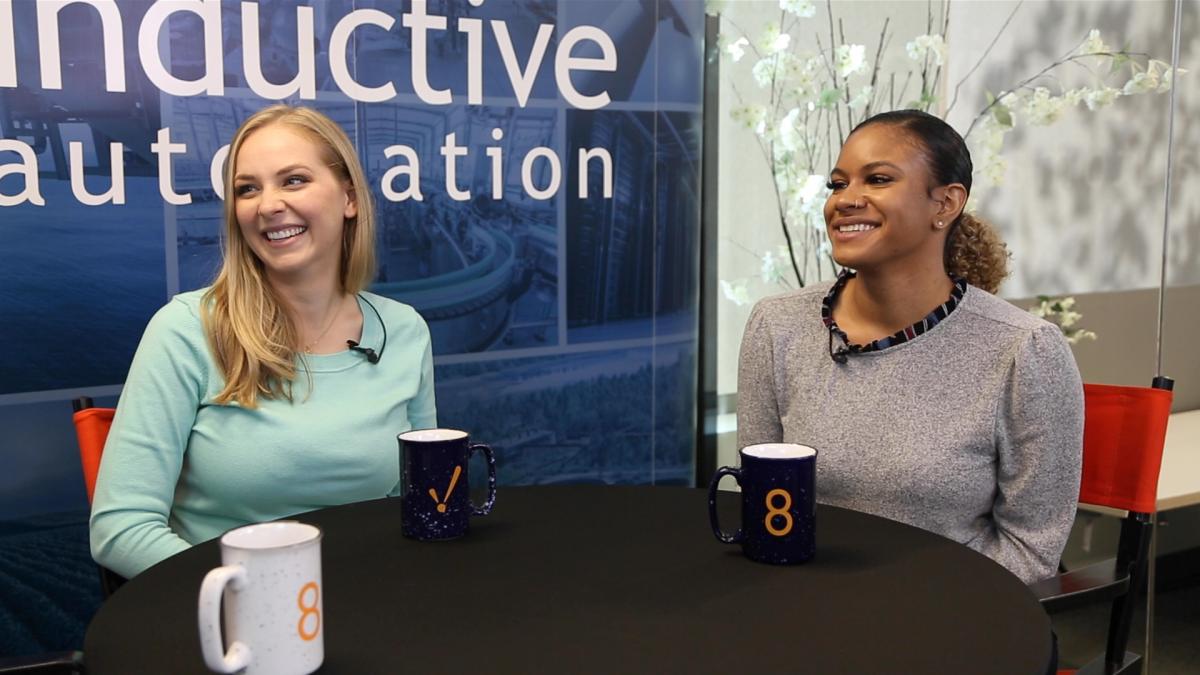
Lauren and Shay bring back Director of Marketing Doug Dudley to share another important aspect of marketing, which is building your brand. Doug discusses what a brand is, how to build your brand, defining a brand promise, the power of brand awareness, and how to spread your brand. We learn about the ways that customers talk about your brand and ways to build trust. Doug shares practical strategies that businesses can use internally to keep their brand promise and create a positive experience for customers with every interaction.
Hero
Integrator Program Level
Thumbnail
Wistia ID
v10y1aah6i
Topic
Learning Series
Transcription
00:08 Shay: Hello and welcome to our sales and marketing training videos. I'm Shay.
00:12 Lauren: And I'm Lauren. Today, we'll be talking about another important aspect of good marketing, building your brand.
00:18 Shay: The topics we will cover today are: What a brand is, how to build your brand, defining a brand promise, and how to spread your brand.
00:26 Lauren: Today, our guest is Doug Dudley, Director of Marketing here at Inductive Automation. Doug, thanks so much for taking the time to sit down again.
00:33 Doug: Yeah, happy to be back.
00:34 Lauren: We're always starting off with kind of a hot-button question.
00:38 Doug: Okay.
00:39 Lauren: I know we've done a lot of crazy things, especially in our marketing department here at Inductive Automation over the years. What would you say is one of the craziest things you've ever undertaken as part of an Inductive Automation project?
00:54 Doug: Yeah, one specific thing comes to mind, and that was a few years ago at our conference, we were working on our keynote, and I'm part of the team that puts that together, and we had an integrator, Mo Moore actually. We'd found out he had actually put together a robot and was using Ignition to run the robot. And so once we found that out, we really tried to figure out how to work that into our keynote. And so trying to coordinate that robot on stage, and it wasn't just me alone. Travis Cox from our company played a key role, as well as Mo Moore, to do this, but that was kind of a crazy thing to be involved with, just because we had, as we're writing this keynote, we had this huge X factor of the robot's gonna go here. We don't definitely know what's gonna happen, but it'll be cool. So trying to build around that, but it all came off fine. The robot rolled out on stage.
01:46 Shay: Oh, so it rolled out?
01:47 Doug: Rolled out on stage.
01:48 Shay: On its own?
01:49 Doug: Well, it was by Ignition. Yeah, yeah.
01:52 Shay: That's so cool.
01:53 Doug: And he had a camera on his head, and he was looking out at the crowd, and even talked a little bit, and he was there at the conference at the INS booth after. It was a big hit, so that was a kind of crazy thing to be involved with, but it turned out pretty fun.
02:09 Lauren: I heard a rumor that there might be a robot 2.0 sometime in the future.
02:13 Doug: You never know. You never know what might happen.
02:16 Lauren: True, that's true.
02:16 Shay: The possibilities are limitless.
02:19 Doug: Limitless.
[laughter]
02:19 Lauren: That's very good use.
02:20 Doug: That's branding, right there.
02:21 Lauren: Yes, that's branding, and it's a great transition into today's topic.
02:25 Shay: Jumping into today's video, yeah. So, today, we're talking about building your brand.
02:28 Doug: Right.
02:29 Shay: And there's a lot of misconceptions about what a brand even is, so maybe we can start there. Can you talk to us a little bit about what a brand is and what it isn't?
02:37 Doug: Yeah, sure. When most people think of brand, I think the thing that comes to mind is a logo, because that's often what we associate with a brand. Like you think of the Apple logo, or the Nike logo, or something like that. The reality is the brand is what that logo represents, meaning the brand is what your customers think about you and what they feel about you, not what you say about yourself. So when that Apple logo shows and a customer has a thought about what that logo represents, who the company is behind it, the products they have, they have an idea of who they are and a feeling. That's what the actual brand is, and building that can be a little bit more challenging than just designing a new logo and putting it out there in the world.
03:26 Lauren: Right. I would imagine, you know, there's a lot behind it, beyond this logo and even a catchphrase or something, like we say, "Limitless."
03:35 Doug: Right.
03:36 Lauren: How do you really start to build and develop that real brand?
03:40 Doug: Sure. It's a lot like your reputation as a person, right? So what I mean by that is you build it basically the same way. If I want people to think I'm an honest person, then I need to be honest with people, and then when I tell people, "Oh yeah, I'm an honest person," they can either confirm that or not by hearing what other people say about me. So if I say I'm an honest person, but then I go around and I lie to everybody, I can say it as much as I want, but my reputation will not be as an honest person and my reputation will be the opposite, because it's what I'm doing that's actually building that reputation, and or taking it away from what I'm actually saying. So it's kind of like if you think about the logo for a company, it's almost like a person's name, right? If I, through my actions, build a positive reputation, when people hear my name or see my name, they'll start associating that reputation with it. The opposite will happen if you have negative actions that you associate with it. So it's what you do in the interactions you have to build trust with people that can result in building what that brand identity is.
04:56 Lauren: I can think about a certain internet provider who maybe like says that they are really great with customer service, and then you end up spending four hours on the phone with them.
05:08 Doug: Right.
05:08 Lauren: So even though the brand isn't saying that they have poor customer service, everybody associates that brand now with that bad customer service.
05:17 Doug: Yeah, and we probably don't even need to say who the name of that brand is, but most people probably know.
05:21 Shay: And that's kinda the power.
05:23 Doug: That's kind of the power of it, right? It's what you do, weighs a lot heavier than what you say about yourself. So, ultimately, for a company, it all comes down to building trust through making promises and then keeping those promises. So in the example you were just talking about, about the unnamed Internet provider, they've put a promise out there that they can do things in a certain way and a certain timely fashion, and handle customers a certain way, they clearly haven't actually followed through with that promise, and so, therefore, the things they say about themselves are automatically tuned out and not trusted by people. You have to build into your processes the ability to keep your promise in order for people to actually believe the promise, and that to build that trust that you need for people to trust your brand.
06:14 Shay: Definitely. So how do you get there? What are some things that you can do to make sure that you're in a position to keep the promises that you're making?
06:21 Doug: It kind of starts looking inside first. So, to start off with, you need to make promises that you know you can keep. If you do these really crazy outlandish things that there's no way to back it up, you're kinda setting yourselves up for a failure. I guess I'll use an example of one of the promises that we have for people, and that's to empower customers to swiftly turn their ideas into reality. That's our mission statement. That's a basic promise that we make to our customers, to empower them to do what they wanna do with our product. So, it's not just something we said and then don't do anything about. From the production team that works on our product to the support team that supports it, to the marketing team that talks about it, and beyond, every part of our company works towards fulfilling that mission, and each part of the company has an important role to play in filling that mission, as we work together as a company, to fulfill that mission of problem-solving for our customers, getting them the support they need so they can do what they need, making sure that our product actually gives them the ability to do things they need to do. Every touchpoint they have, builds trust upon trust upon trust, until they really start to understand who we are as a company. And that idea of who we are, that reputation of who we are, becomes what our brand actually is.
07:55 Lauren: What are some practical strategies that businesses can use to build this out in their company?
08:02 Doug: There are some very practical things they can do to help them keep their brand promise. One of the most practical things is, you've gotta find good people. Just like a personal reputation is up to that person for what they do, for a company's reputation, it comes down to all these individual people making choices. And collectively, that forms choices that the company ends up making. So, if you bring in good people that have high integrity, high intelligence, high energy, they're problem solvers not problem creators, people that really want to take care of the customers on a individual level, then collectively as a company, you're going to be taking care of your customers because you're making sure to hire people on the onset that already have that built into what they do, their own reputation. It's part of their own personal brand. That will help you form a good company brand. So, it's about building your company culture to be a culture that cares about filling that mission that you've set out and having each individual person contribute to that. But that starts with hiring those people, because those people are who your company becomes, basically.
09:25 Shay: Breaking that down even further, can you provide some little examples of things that we need, those people, now that we've got them, now that we've got those good people in our company, some things that they can do to continue on building that positive brand in it?
09:38 Doug: Yeah, it's very practical stuff. It's just best practices for your business, like, example is, when the phone rings, make sure to answer it, and make sure you have someone on the line answering it who can answer it in a very professional way, be very friendly, be very helpful and be very rapid and be able to transfer that call to the people that need to solve the problem for that customer, answer it. Just make sure you have a good front office. We're a software company, so a lot of our employees are for developing the software, supporting the software, but it's really important for us to have a really good front office staff too, to make sure the company runs well. You might have the most talented people in the world on your creative side, but you need to make sure you're taking care of the company too, 'cause if things start breaking down, like when our computers don't work in the morning because our IT department is not helping us out, or, yeah, the phone's not getting answered, or the building is not being taken care of, it's really difficult to impossible to do the job you need to for your customers, 'cause you're not taking care of your own office.
10:49 Doug: And then, just make sure you deliver things on time and fairly treat your customers. If you promise that you're going to deliver a solution in a certain amount of time, make sure you do it. If you say you're gonna bill a certain amount for the work you do, make sure you bill that amount. Nothing can ruin a relationship with your customers quicker than invoicing them incorrectly. And then also, it turns into this bad experience where, "Hey, the bill's twice what I thought it was." It's just, a lot of stuff, good business practice, to make sure you're not shooting your own brand in the foot by saying one thing and then doing another. And it just comes down to that very basic stuff, that you have your employees doing to just practice good business practices, yeah.
11:34 Shay: It seems really simple, but it seems like it would take some work.
11:38 Doug: It does.
11:39 Shay: To build that out for a big company, or even a small team.
11:43 Doug: It is, but in reality, it is simple, it's just done on a bigger level. It's simple, but it's powerful, because collectively, it can create this very positive experience for your customers. And I do think it takes the brand out of the realm of this abstract thing of like, "We have a brand, it's worth something, but we really don't know what to do to affect it, and try to get it more on a base level." It's just literally what you do, how you do it. And yeah, you have to think about every interaction, but it just starts by hiring good people, training them well, supporting them, support your customers. And it takes some time, but it's going to build a good, positive brand experience for your customers, which in the end, what they say, is what your brand actually is. Create a company that can treat your customers well, and they'll say good stuff about you, which results in a good brand.
12:38 Shay: I actually think it's really cool what you were saying about keeping a brand promise. That's such an important part, not only of branding but just great customer service. And we have so many exceptional integrators as part of our Integrator Program at Inductive Automation. I got the chance to sit down with one of our integrators, Vertech, and talk about this very thing. Here's what they had to say.
13:00 Chris McLaughlin: What makes Vertech different than Integrator X? And truth be told there is not a whole lot of difference between most integrators. We are largely doing the same stuff in the same ways and when we all come back to it, we're gonna say that it is our people that make us different, it's our culture that makes us different, maybe it's our processes that make us different, and there is some validity to that,of there are going to be better or worse of all of those different categories. But how do you show that off to somebody? How do you show that that is real and true? And the secret is, is that you really have to have it, you can't just say it. And then you have to show, not tell. And so the ways of doing that is to prove it and over-prove it. And the ways of doing that in this modern age, so much centres around your marketing and your website and your social media and videos that you put up and the content that you put up. And it's all an elaborate approach to prove that your people are the best and the brightest. Your solutions actually work. You're knowledgeable and experienced within your products. And that is the differentiation of, if I just tell you that we're the best that doesn't work, I have to show you that you want to work with us.
14:26 Shay: So, how can we go about creating and making promises that things are going to stand out to our customers and be easy for them to understand and grasp?
14:35 Doug: Yeah. Couple of things you can do. First is, you wanna make it a promise that's worth talking about, so that they'll remember it, it's memorable.
14:42 Shay: It's relevant.
14:44 Doug: Yeah. This goes back to knowing who your customers are, understanding what is gonna be relevant to them, what's gonna solve a problem for them. So, an example of this for us is, Unlimited, is a promise that we make with our product that's very memorable. One of the reasons it's memorable because it solves a very key problem that a lot of our customers face, and it does it in a way that allows them to turn their ideas into reality fairly quickly, and at a lower price point. So it makes an impact for them. It's also one word. It's easy to remember. And it says a lot about who we are as a company.
15:26 Doug: You also wanna keep it pretty simple, that makes it easy to remember. So another example of something that we do, we talked a lot in this last keynote about easy, fun and affordable. And a lot of that effort was trying, Steve Heckman working with us, to really try to figure out how do we say what we do as a company in a very kind of simple and succinct way, so that we can communicate that easily and make it something easy for people to remember. So three words, but each one of those words is a promise basically, right. Easy, we want Ignition to be easy to use. Then we work really hard, trying to make it easy for people to use. We want it to be fun, so that when you do turn your idea into reality successfully, there's a very satisfying fun feeling that happens there. We've had a lot of integrators tell us that because of the product and the way we support the product, their job has become much more enjoyable than it was a few years ago.
16:25 Doug: And then affordable is a promise obviously that we can keep with our pricing, but it's also tied into our licensing model. So each one of those is simple, easy to remember. Each one makes an impact and collectively they form a very strong promise that we make to our customers. So those are a couple of examples of how we as a company make promises that are easy to remember and simple, so that people can pass those along. Yeah.
16:52 Lauren: So let's say we've made our brand. We've made it memorable. We've put our little slogan together, our big slogan together. How do we get it out? How are we gonna get it in people's heads?
17:05 Doug: So this comes down to, you wanna create word-of-mouth, that's the best way to spread a brand. And to get people to talk about it, you need to do something that's worth talking about. And ideally, it's something that's tied to what your identity of a brand is. So, if your identity of a brand is to do an amazing job for your customers and go above and beyond, make sure that when your service people go out and service your customers, they do exactly what they say they're gonna do, and they also do maybe one or two steps beyond that. They look for more opportunities to help. They go the extra mile to make sure the customer's happy with what they're doing, really deliver an amazing experience for that customer that's worth them talking about, 'cause that's what's gonna spread the brand. They'll then tell the person they work with or someone who's a colleague in another company. And before you know it, if you keep doing that, that word-of-mouth starts to spread more and more and more, so that people are hearing about you and your brand before you even have a chance to tell them about it. So that's really how you get that brand to spread.
18:10 Shay: I think word-of-mouth is a really powerful tool for spreading information organically. And I think Lauren got to have some more conversations with another one of our premier integrators, Grantek.
18:19 Lauren: Yes. Yeah, we actually got the opportunity to talk to Grantek about word-of-mouth, so we'll have to roll that clip as well.
18:25 Shay: Perfect.
18:27 Geoff Farrer: Grantek's found a great way to get people to talk about our company is to try to share content across social media channels and our blog and really get buy-in. We have a concerted effort to try to grow our LinkedIn followers, for example. And we've found that it isn't so much pushing things that they don't wanna see, if we can appeal to them with content, they're gonna wanna read, they're gonna want to watch it makes it very easy to get people to actually talk and share and communicate this. So we internally encourage our staff and our employees, people who are there everyday on delivery jobs to actually share this as well across social media and our website. And in turn we hope that our customers do it as well. And we do see that and we can see a return on that in webinar registrations, for example. The same people who are sharing things across social media are also attending and inviting their colleagues as well. So it's always a great thing to see kind of all come together.
19:17 James Burnand: Yeah. I think if we deliver value to the marketplace, content that helps someone in their role, even if they're not a Grantek customer, they get to know who Grantek is, and that we are really out there to be able to contribute in a positive way. I think that goes a long way to creating a bit of the brand and the buzz around who we are.
19:42 Shay: So can we expect that word-of-mouth delivery to happen overnight? I'm imagining not. It takes time for things to travel.
19:49 Doug: It does take time for things to travel. It's not gonna happen overnight. You gotta give yourself... You have to be patient, you have to be persistent with getting your brand promises out there, but if you built it into your processes and you're integrating your promise throughout your marketing materials, like your business cards, your brochures, website, maybe even what your support people say when people call on the phone, or what your service tech, how they introduce themself or whatever they do when they're helping people. If you're able to integrate that into what they're doing, you can create all these different touchpoints, where you keep reinforcing your brand overtime.
20:29 Doug: So they've done a lot of marketing studies and they've found that it takes seven individual impressions for a person to remember a company's name. An impression is just any time that someone interacts with your brand in some kind of way, they see your logo, they hear your name of your company, someone tells them about your company, they stumble across your website when doing web search, whatever it is, they come in contact with you. It takes seven different separate instances for them to even remember who you are as a company and start to form some idea of what your brand is.
20:58 Doug: So that's a lot of different impressions. If you try to do that all with just your marketing, meaning just putting a bunch of print ads out or a bunch of emails, or whatever, you're gonna inundate people with too much. You've gotta build it into all your process to make those impressions kinda get out there. And if you're able to do what we talked about before and deliver experiences that cause your customers to spread, that is the most powerful way that your brand can be spread too, 'cause then they're creating impressions for you. And people will inherently trust the word-of-mouth from someone they know versus a company they don't, so that can weigh a little heavier too. So, if you pick your promise, you make it something you can actually fulfill and you stick with it and give it time, eventually, you'll end up with a strong brand that really helps your marketing efforts.
21:46 Lauren: Awesome. Well, thank you so much for sitting down with us today, Doug, and talking to us about brand. It's an exciting topic but I think we've gotten to dive into it in a way that is really helpful for people.
21:57 Doug: Yeah. I've had a great time talking about it. I'm looking forward to the next time we talk.
22:01 Shay: Yeah. We'll see you soon.
22:02 Doug: Alright, cool.
22:05 Shay: Thanks.
00:12 Lauren: And I'm Lauren. Today, we'll be talking about another important aspect of good marketing, building your brand.
00:18 Shay: The topics we will cover today are: What a brand is, how to build your brand, defining a brand promise, and how to spread your brand.
00:26 Lauren: Today, our guest is Doug Dudley, Director of Marketing here at Inductive Automation. Doug, thanks so much for taking the time to sit down again.
00:33 Doug: Yeah, happy to be back.
00:34 Lauren: We're always starting off with kind of a hot-button question.
00:38 Doug: Okay.
00:39 Lauren: I know we've done a lot of crazy things, especially in our marketing department here at Inductive Automation over the years. What would you say is one of the craziest things you've ever undertaken as part of an Inductive Automation project?
00:54 Doug: Yeah, one specific thing comes to mind, and that was a few years ago at our conference, we were working on our keynote, and I'm part of the team that puts that together, and we had an integrator, Mo Moore actually. We'd found out he had actually put together a robot and was using Ignition to run the robot. And so once we found that out, we really tried to figure out how to work that into our keynote. And so trying to coordinate that robot on stage, and it wasn't just me alone. Travis Cox from our company played a key role, as well as Mo Moore, to do this, but that was kind of a crazy thing to be involved with, just because we had, as we're writing this keynote, we had this huge X factor of the robot's gonna go here. We don't definitely know what's gonna happen, but it'll be cool. So trying to build around that, but it all came off fine. The robot rolled out on stage.
01:46 Shay: Oh, so it rolled out?
01:47 Doug: Rolled out on stage.
01:48 Shay: On its own?
01:49 Doug: Well, it was by Ignition. Yeah, yeah.
01:52 Shay: That's so cool.
01:53 Doug: And he had a camera on his head, and he was looking out at the crowd, and even talked a little bit, and he was there at the conference at the INS booth after. It was a big hit, so that was a kind of crazy thing to be involved with, but it turned out pretty fun.
02:09 Lauren: I heard a rumor that there might be a robot 2.0 sometime in the future.
02:13 Doug: You never know. You never know what might happen.
02:16 Lauren: True, that's true.
02:16 Shay: The possibilities are limitless.
02:19 Doug: Limitless.
[laughter]
02:19 Lauren: That's very good use.
02:20 Doug: That's branding, right there.
02:21 Lauren: Yes, that's branding, and it's a great transition into today's topic.
02:25 Shay: Jumping into today's video, yeah. So, today, we're talking about building your brand.
02:28 Doug: Right.
02:29 Shay: And there's a lot of misconceptions about what a brand even is, so maybe we can start there. Can you talk to us a little bit about what a brand is and what it isn't?
02:37 Doug: Yeah, sure. When most people think of brand, I think the thing that comes to mind is a logo, because that's often what we associate with a brand. Like you think of the Apple logo, or the Nike logo, or something like that. The reality is the brand is what that logo represents, meaning the brand is what your customers think about you and what they feel about you, not what you say about yourself. So when that Apple logo shows and a customer has a thought about what that logo represents, who the company is behind it, the products they have, they have an idea of who they are and a feeling. That's what the actual brand is, and building that can be a little bit more challenging than just designing a new logo and putting it out there in the world.
03:26 Lauren: Right. I would imagine, you know, there's a lot behind it, beyond this logo and even a catchphrase or something, like we say, "Limitless."
03:35 Doug: Right.
03:36 Lauren: How do you really start to build and develop that real brand?
03:40 Doug: Sure. It's a lot like your reputation as a person, right? So what I mean by that is you build it basically the same way. If I want people to think I'm an honest person, then I need to be honest with people, and then when I tell people, "Oh yeah, I'm an honest person," they can either confirm that or not by hearing what other people say about me. So if I say I'm an honest person, but then I go around and I lie to everybody, I can say it as much as I want, but my reputation will not be as an honest person and my reputation will be the opposite, because it's what I'm doing that's actually building that reputation, and or taking it away from what I'm actually saying. So it's kind of like if you think about the logo for a company, it's almost like a person's name, right? If I, through my actions, build a positive reputation, when people hear my name or see my name, they'll start associating that reputation with it. The opposite will happen if you have negative actions that you associate with it. So it's what you do in the interactions you have to build trust with people that can result in building what that brand identity is.
04:56 Lauren: I can think about a certain internet provider who maybe like says that they are really great with customer service, and then you end up spending four hours on the phone with them.
05:08 Doug: Right.
05:08 Lauren: So even though the brand isn't saying that they have poor customer service, everybody associates that brand now with that bad customer service.
05:17 Doug: Yeah, and we probably don't even need to say who the name of that brand is, but most people probably know.
05:21 Shay: And that's kinda the power.
05:23 Doug: That's kind of the power of it, right? It's what you do, weighs a lot heavier than what you say about yourself. So, ultimately, for a company, it all comes down to building trust through making promises and then keeping those promises. So in the example you were just talking about, about the unnamed Internet provider, they've put a promise out there that they can do things in a certain way and a certain timely fashion, and handle customers a certain way, they clearly haven't actually followed through with that promise, and so, therefore, the things they say about themselves are automatically tuned out and not trusted by people. You have to build into your processes the ability to keep your promise in order for people to actually believe the promise, and that to build that trust that you need for people to trust your brand.
06:14 Shay: Definitely. So how do you get there? What are some things that you can do to make sure that you're in a position to keep the promises that you're making?
06:21 Doug: It kind of starts looking inside first. So, to start off with, you need to make promises that you know you can keep. If you do these really crazy outlandish things that there's no way to back it up, you're kinda setting yourselves up for a failure. I guess I'll use an example of one of the promises that we have for people, and that's to empower customers to swiftly turn their ideas into reality. That's our mission statement. That's a basic promise that we make to our customers, to empower them to do what they wanna do with our product. So, it's not just something we said and then don't do anything about. From the production team that works on our product to the support team that supports it, to the marketing team that talks about it, and beyond, every part of our company works towards fulfilling that mission, and each part of the company has an important role to play in filling that mission, as we work together as a company, to fulfill that mission of problem-solving for our customers, getting them the support they need so they can do what they need, making sure that our product actually gives them the ability to do things they need to do. Every touchpoint they have, builds trust upon trust upon trust, until they really start to understand who we are as a company. And that idea of who we are, that reputation of who we are, becomes what our brand actually is.
07:55 Lauren: What are some practical strategies that businesses can use to build this out in their company?
08:02 Doug: There are some very practical things they can do to help them keep their brand promise. One of the most practical things is, you've gotta find good people. Just like a personal reputation is up to that person for what they do, for a company's reputation, it comes down to all these individual people making choices. And collectively, that forms choices that the company ends up making. So, if you bring in good people that have high integrity, high intelligence, high energy, they're problem solvers not problem creators, people that really want to take care of the customers on a individual level, then collectively as a company, you're going to be taking care of your customers because you're making sure to hire people on the onset that already have that built into what they do, their own reputation. It's part of their own personal brand. That will help you form a good company brand. So, it's about building your company culture to be a culture that cares about filling that mission that you've set out and having each individual person contribute to that. But that starts with hiring those people, because those people are who your company becomes, basically.
09:25 Shay: Breaking that down even further, can you provide some little examples of things that we need, those people, now that we've got them, now that we've got those good people in our company, some things that they can do to continue on building that positive brand in it?
09:38 Doug: Yeah, it's very practical stuff. It's just best practices for your business, like, example is, when the phone rings, make sure to answer it, and make sure you have someone on the line answering it who can answer it in a very professional way, be very friendly, be very helpful and be very rapid and be able to transfer that call to the people that need to solve the problem for that customer, answer it. Just make sure you have a good front office. We're a software company, so a lot of our employees are for developing the software, supporting the software, but it's really important for us to have a really good front office staff too, to make sure the company runs well. You might have the most talented people in the world on your creative side, but you need to make sure you're taking care of the company too, 'cause if things start breaking down, like when our computers don't work in the morning because our IT department is not helping us out, or, yeah, the phone's not getting answered, or the building is not being taken care of, it's really difficult to impossible to do the job you need to for your customers, 'cause you're not taking care of your own office.
10:49 Doug: And then, just make sure you deliver things on time and fairly treat your customers. If you promise that you're going to deliver a solution in a certain amount of time, make sure you do it. If you say you're gonna bill a certain amount for the work you do, make sure you bill that amount. Nothing can ruin a relationship with your customers quicker than invoicing them incorrectly. And then also, it turns into this bad experience where, "Hey, the bill's twice what I thought it was." It's just, a lot of stuff, good business practice, to make sure you're not shooting your own brand in the foot by saying one thing and then doing another. And it just comes down to that very basic stuff, that you have your employees doing to just practice good business practices, yeah.
11:34 Shay: It seems really simple, but it seems like it would take some work.
11:38 Doug: It does.
11:39 Shay: To build that out for a big company, or even a small team.
11:43 Doug: It is, but in reality, it is simple, it's just done on a bigger level. It's simple, but it's powerful, because collectively, it can create this very positive experience for your customers. And I do think it takes the brand out of the realm of this abstract thing of like, "We have a brand, it's worth something, but we really don't know what to do to affect it, and try to get it more on a base level." It's just literally what you do, how you do it. And yeah, you have to think about every interaction, but it just starts by hiring good people, training them well, supporting them, support your customers. And it takes some time, but it's going to build a good, positive brand experience for your customers, which in the end, what they say, is what your brand actually is. Create a company that can treat your customers well, and they'll say good stuff about you, which results in a good brand.
12:38 Shay: I actually think it's really cool what you were saying about keeping a brand promise. That's such an important part, not only of branding but just great customer service. And we have so many exceptional integrators as part of our Integrator Program at Inductive Automation. I got the chance to sit down with one of our integrators, Vertech, and talk about this very thing. Here's what they had to say.
13:00 Chris McLaughlin: What makes Vertech different than Integrator X? And truth be told there is not a whole lot of difference between most integrators. We are largely doing the same stuff in the same ways and when we all come back to it, we're gonna say that it is our people that make us different, it's our culture that makes us different, maybe it's our processes that make us different, and there is some validity to that,of there are going to be better or worse of all of those different categories. But how do you show that off to somebody? How do you show that that is real and true? And the secret is, is that you really have to have it, you can't just say it. And then you have to show, not tell. And so the ways of doing that is to prove it and over-prove it. And the ways of doing that in this modern age, so much centres around your marketing and your website and your social media and videos that you put up and the content that you put up. And it's all an elaborate approach to prove that your people are the best and the brightest. Your solutions actually work. You're knowledgeable and experienced within your products. And that is the differentiation of, if I just tell you that we're the best that doesn't work, I have to show you that you want to work with us.
14:26 Shay: So, how can we go about creating and making promises that things are going to stand out to our customers and be easy for them to understand and grasp?
14:35 Doug: Yeah. Couple of things you can do. First is, you wanna make it a promise that's worth talking about, so that they'll remember it, it's memorable.
14:42 Shay: It's relevant.
14:44 Doug: Yeah. This goes back to knowing who your customers are, understanding what is gonna be relevant to them, what's gonna solve a problem for them. So, an example of this for us is, Unlimited, is a promise that we make with our product that's very memorable. One of the reasons it's memorable because it solves a very key problem that a lot of our customers face, and it does it in a way that allows them to turn their ideas into reality fairly quickly, and at a lower price point. So it makes an impact for them. It's also one word. It's easy to remember. And it says a lot about who we are as a company.
15:26 Doug: You also wanna keep it pretty simple, that makes it easy to remember. So another example of something that we do, we talked a lot in this last keynote about easy, fun and affordable. And a lot of that effort was trying, Steve Heckman working with us, to really try to figure out how do we say what we do as a company in a very kind of simple and succinct way, so that we can communicate that easily and make it something easy for people to remember. So three words, but each one of those words is a promise basically, right. Easy, we want Ignition to be easy to use. Then we work really hard, trying to make it easy for people to use. We want it to be fun, so that when you do turn your idea into reality successfully, there's a very satisfying fun feeling that happens there. We've had a lot of integrators tell us that because of the product and the way we support the product, their job has become much more enjoyable than it was a few years ago.
16:25 Doug: And then affordable is a promise obviously that we can keep with our pricing, but it's also tied into our licensing model. So each one of those is simple, easy to remember. Each one makes an impact and collectively they form a very strong promise that we make to our customers. So those are a couple of examples of how we as a company make promises that are easy to remember and simple, so that people can pass those along. Yeah.
16:52 Lauren: So let's say we've made our brand. We've made it memorable. We've put our little slogan together, our big slogan together. How do we get it out? How are we gonna get it in people's heads?
17:05 Doug: So this comes down to, you wanna create word-of-mouth, that's the best way to spread a brand. And to get people to talk about it, you need to do something that's worth talking about. And ideally, it's something that's tied to what your identity of a brand is. So, if your identity of a brand is to do an amazing job for your customers and go above and beyond, make sure that when your service people go out and service your customers, they do exactly what they say they're gonna do, and they also do maybe one or two steps beyond that. They look for more opportunities to help. They go the extra mile to make sure the customer's happy with what they're doing, really deliver an amazing experience for that customer that's worth them talking about, 'cause that's what's gonna spread the brand. They'll then tell the person they work with or someone who's a colleague in another company. And before you know it, if you keep doing that, that word-of-mouth starts to spread more and more and more, so that people are hearing about you and your brand before you even have a chance to tell them about it. So that's really how you get that brand to spread.
18:10 Shay: I think word-of-mouth is a really powerful tool for spreading information organically. And I think Lauren got to have some more conversations with another one of our premier integrators, Grantek.
18:19 Lauren: Yes. Yeah, we actually got the opportunity to talk to Grantek about word-of-mouth, so we'll have to roll that clip as well.
18:25 Shay: Perfect.
18:27 Geoff Farrer: Grantek's found a great way to get people to talk about our company is to try to share content across social media channels and our blog and really get buy-in. We have a concerted effort to try to grow our LinkedIn followers, for example. And we've found that it isn't so much pushing things that they don't wanna see, if we can appeal to them with content, they're gonna wanna read, they're gonna want to watch it makes it very easy to get people to actually talk and share and communicate this. So we internally encourage our staff and our employees, people who are there everyday on delivery jobs to actually share this as well across social media and our website. And in turn we hope that our customers do it as well. And we do see that and we can see a return on that in webinar registrations, for example. The same people who are sharing things across social media are also attending and inviting their colleagues as well. So it's always a great thing to see kind of all come together.
19:17 James Burnand: Yeah. I think if we deliver value to the marketplace, content that helps someone in their role, even if they're not a Grantek customer, they get to know who Grantek is, and that we are really out there to be able to contribute in a positive way. I think that goes a long way to creating a bit of the brand and the buzz around who we are.
19:42 Shay: So can we expect that word-of-mouth delivery to happen overnight? I'm imagining not. It takes time for things to travel.
19:49 Doug: It does take time for things to travel. It's not gonna happen overnight. You gotta give yourself... You have to be patient, you have to be persistent with getting your brand promises out there, but if you built it into your processes and you're integrating your promise throughout your marketing materials, like your business cards, your brochures, website, maybe even what your support people say when people call on the phone, or what your service tech, how they introduce themself or whatever they do when they're helping people. If you're able to integrate that into what they're doing, you can create all these different touchpoints, where you keep reinforcing your brand overtime.
20:29 Doug: So they've done a lot of marketing studies and they've found that it takes seven individual impressions for a person to remember a company's name. An impression is just any time that someone interacts with your brand in some kind of way, they see your logo, they hear your name of your company, someone tells them about your company, they stumble across your website when doing web search, whatever it is, they come in contact with you. It takes seven different separate instances for them to even remember who you are as a company and start to form some idea of what your brand is.
20:58 Doug: So that's a lot of different impressions. If you try to do that all with just your marketing, meaning just putting a bunch of print ads out or a bunch of emails, or whatever, you're gonna inundate people with too much. You've gotta build it into all your process to make those impressions kinda get out there. And if you're able to do what we talked about before and deliver experiences that cause your customers to spread, that is the most powerful way that your brand can be spread too, 'cause then they're creating impressions for you. And people will inherently trust the word-of-mouth from someone they know versus a company they don't, so that can weigh a little heavier too. So, if you pick your promise, you make it something you can actually fulfill and you stick with it and give it time, eventually, you'll end up with a strong brand that really helps your marketing efforts.
21:46 Lauren: Awesome. Well, thank you so much for sitting down with us today, Doug, and talking to us about brand. It's an exciting topic but I think we've gotten to dive into it in a way that is really helpful for people.
21:57 Doug: Yeah. I've had a great time talking about it. I'm looking forward to the next time we talk.
22:01 Shay: Yeah. We'll see you soon.
22:02 Doug: Alright, cool.
22:05 Shay: Thanks.
Series Order
20
Selling A Solution
Joanna Cortez
Fri, 05/22/2020 - 11:33
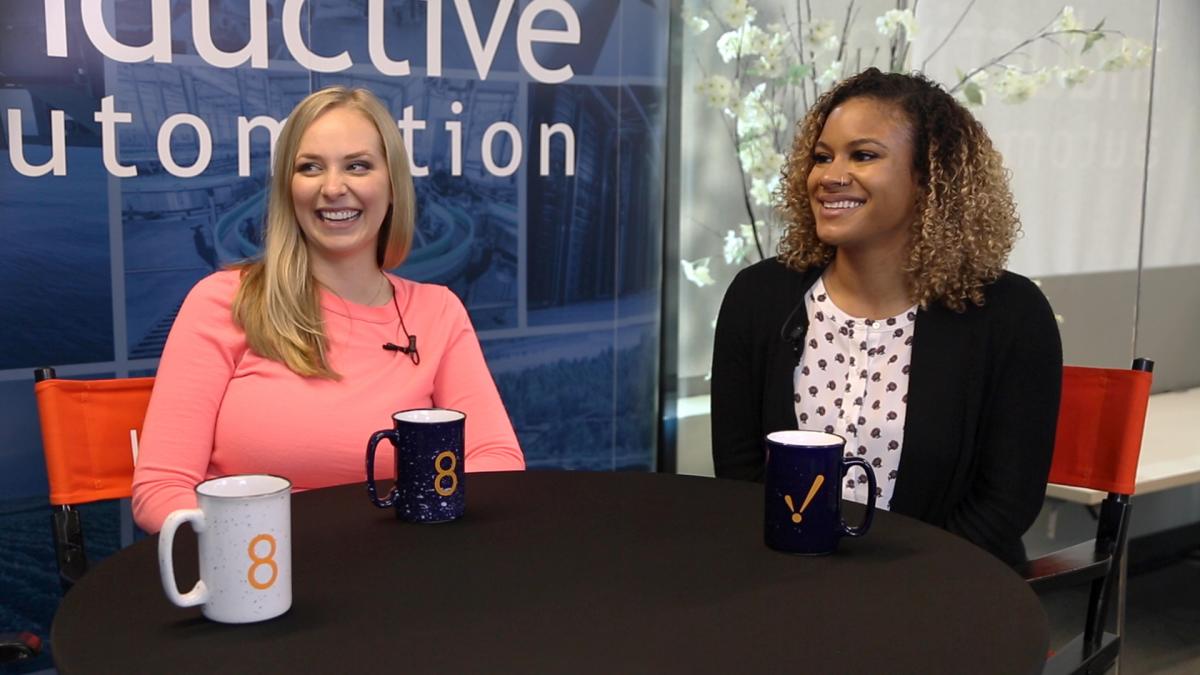
Lauren and Shay invite back Director of Marketing Doug Dudley to explore how to sell a solution rather than a product. Doug shares ways to make a customer feel confident in choosing you as a solution. We discuss methods for building awareness by distinguishing yourself, and staying focused on the needs of your customers. Doug also discusses focusing on the most relevant and impactful benefits to appeal to specific audiences, and why we should think about messaging emotionally rather than logically.
Hero
Integrator Program Level
Thumbnail
Wistia ID
3xi2yqbkk8
Topic
Learning Series
Transcription
00:08 Lauren: Hello, and welcome to our marketing and sales strategy series.
00:12 Shay: This video is all about providing a solution and not just selling a product.
00:15 Lauren: People wanna feel very confident and comfortable in choosing you.
00:18 Shay: So today, we'll talk about distinguishing yourself to build awareness and staying focused on the needs of your customers.
00:24 Lauren: And to help us with this, we're sitting down with Marketing Director Doug Dudley.
00:28 Doug Dudley: Hi.
00:28 Shay: Hi.
00:28 Lauren: Great to have you again, thanks for joining us.
00:30 DD: Happy to be here. Yeah.
00:31 Lauren: So I have a question for you.
00:33 DD: Sure.
00:33 Lauren: I heard that you're a bit of a salsa connoisseur and I wanna know what the secrets are? What is your favorite recipe?
00:41 DD: I am a salsa connoisseur. I grew up... I had spent some time in Mexico when I was a kid...
00:45 Lauren: Oh, that's awesome.
00:45 DD: And my dad worked for the government, so he worked at the embassy there. So when I was there, I kinda developed a taste for salsa, so when I got back to the States, I didn't like any of the salsa that I was in the stores, so I decided to start making my own salsa.
00:58 Shay: Wow!
00:58 DD: Over the years, I've kind of concocted my own blend of spices to, just the way I like it, so I don't know if I wanna give away the secrets exactly.
01:08 Shay: Well, we do have an Inductive Automation salsa contest every year, so you can't give away too many secrets, or else you might be imitated.
01:16 DD: Yeah, that, I don't wanna give away my competitive advantage there, although I have lost the last couple of years in a row to an outstanding mango salsa, which I've not been able to edge out. So I'll give you one little secret: little liquid smoke in there.
01:29 Lauren: Ooh.
01:29 Shay: Interesting.
01:29 Lauren: Very nice.
01:29 Shay: Yeah.
01:31 DD: Lifts it up a little bit, makes it smokey, people are like, "What's going on there?"
01:35 Lauren: Yeah.
01:35 DD: So there...
01:36 Lauren: I've gotta see this, I'm gonna try this out.
[chuckle]
01:38 Shay: Alright, so now that we've got our salsa tips out of the way, Doug, we're talking about selling a solution, not a product today. Why do we say it like that, we're not selling a product?
01:49 DD: Right. Well, we are selling a product or if you're a service industry, you're selling a service, but if you're just selling it a product or service, that really becomes about what that product or service does, what it is, what it can do. Selling a solution is thinking about the idea of not selling just what the product can do, but selling what a customer can do with the product or in the case of a service, what a customer can do with the help of that service. So it's a subtle difference but it does change the focus of how you talk about that product or service.
02:25 Shay: And what's a good way to start doing that?
02:28 DD: So you want to sell the benefits of it. Don't just list out 100 benefits because then that becomes too many. You wanna focus in on what the most important benefits are and the way to determine that is to focus on the relevance of those benefits to your target audience, as well as the impact that those benefits will have on the work of your target audience. So, those benefits can also vary depending on who you're targeting. So, for example, if your service is targeting engineers, for example, you might focus instead on how easy the product makes it to do their jobs, the good support that it has, maybe the knowledgeable staff that can help them, right? Because they're using that product or service on the plant floor and they need to know it's gonna be there for them. If you're targeting maybe a C-level person, you might be focusing on more about how much the product will cost, what the ROI would be of using that service, what the speed of implementation is, maybe the years of experience that company has had working with customers similar to that one.
03:35 DD: So depending on who you're targeting, you wanna focus in on what the most relevant and impactful benefits are and then focus on the benefits for that individual, and that's kind of the difference between a solution and a product, it's not the benefits of the product, it's the benefits of using that product or service for that specific individual.
03:51 Shay: So kind of the whole story?
03:52 DD: It's the whole story and they're a key part of that story.
03:56 Lauren: And that makes sense to me, as an engineer, however, as I'm thinking of pitching different benefits to different crowds, I would be thinking of approaching that from a logical standpoint. Why would we maybe wanna focus on emotions versus logic?
04:10 DD: Yeah, and you're not the only one that would be taking that approach, especially in this kind of industry, people will think it's all about the numbers, the logic behind it, making this very logical case for why this product is clearly, or service is clearly, better than the other one. This is especially the thinking that happens in a B2B marketing. So B2B means business-to-business marketing versus B2C marketing, which is business-to-consumer. Because the thought is, "Well, I'm talking to a business. Of course they're more focused on the raw data, the raw results." The reality is there's really not that much of a difference between B2B marketing and B2C marketing in terms of who you're targeting, because you're targeting people and people make emotional decisions, whether they're at their desk at work or they're in a grocery store, whatever, they're gonna make decisions usually based on emotion first, and then they'll use logic to back those decisions up. We all do this ourself, right? We'll go...
05:06 Shay: No.
[chuckle]
05:06 DD: Go to a store.
05:07 Shay: Never!
05:08 DD: Let's say we'll pick something up, we're not even sure exactly why we like it, but there's just something that feels good about that. And then we start thinking, "You know, this is in the budget and oh, this would help me do this." And right, you start doing all of that stuff behind it to convince yourself what you already knew you wanted when you picked it up, right? So people make emotional decisions first. And the other thing is, it just feels good to buy things, especially if it's something...
05:33 Lauren: That is true.
05:34 DD: That you feel like is a good buy, like you feel smart, you're like, "Man, I found this deal. I found the perfect product." Right? You just wanna help people feel good about decisions. So yeah, going at it from an emotional approach first, thinking about the emotional state of what that prospective customer is when they choose your product or service, is a better way of cutting through some of that noise and helping them make the decision we know they already wanna make.
06:00 Lauren: So it sounds like there's some storytelling involved with that. And I know we talk a lot about using success stories in our industry. Can you kind of walk us through what that would look like for someone who's providing a service?
06:12 DD: Yeah, sure. So, a very easy way to kind of get to the emotional center of a product or service is by telling a story. The reason this is a good technique is stories inherently are built upon some kind of emotion. There's a hero, they go against some kind of conflict. They have to overcome that in some kind of climactic way. And then there's some result of that. So, if you're able to tell a story with your customer at the center of that story, and your product or your service playing a supporting role in helping that customer get a win, you've built this emotional center into that. You've also made the solution very real, if you're telling a real story. Don't make your stories up, make sure they're real stories. If you can tell a story about, "Hey, I had a problem, I went and found this service. They came in and helped me look great in front of my boss, get the problem solved for my customer. Now, we're winning more business and I feel great."
07:19 DD: Showing the results for both them and who they were helping, that is a great story to tell. And it puts your product in the supporting role to put them in a successful place. So, if you're able to do that and you have a lot of these success stories, you really start building this strong case for people that can come in and look at your product or service, and they see all these different success stories other people are having, like, "You know what, I'd like to feel that way too. I'd like to have my problem solved. This problem I have right now, if I can get it solved like this person, I'd feel great." So, that's a great way of going about that.
07:52 Lauren: So, if we can tell real success stories, if we can make the customer the hero, then we'll be successful in telling the success stories essentially?
[chuckle]
08:00 DD: Yeah. And you want to try to give the prospective customer the feeling of what it's gonna be like to use your product or service before they use it. If you can get them to feel that feeling, they already make the decision to buy, whether it's a product or service. I mean, this happens too when we go in the store and we pick up that really cool phone, but it's not ours yet, but we're like, "Man, this feels good. I wanna put this in my pocket." You're getting that feeling right away. And if you can get them to that point, you're getting that much closer to help them make the decision that they already know they need to make or one you'd like them to make.
08:33 Shay: So, another way we talk about standing out in marketing is the phrase purple cow, it's kind of a marketing inside word.
08:42 DD: It's a little bit of a buzzword, yeah.
08:43 Shay: Yes, it is. Can you talk about where it comes from and why integrators could use that?
08:47 DD: Yeah, and why are we talking about cows when we're talking about products or service, right? Right. And so the term purple cow was coined by author and kind of marketing guru Seth Godin, he wrote a book called Purple Cow. And if you really are interested in this subject about marketing a solution, I think it's a great book to read. The basic idea is he was, I think he was driving cross country with his family, and they went past this field of cows and they were all black and white. And he had the thought of, "Hey, if I really wanted to stand out, if I was a cow," it's kind of a weird thought to have, "if I was a purple cow, there's no way you wouldn't see that cow in this field of black and white cows and you have this purple cow stand out." He used that as an analogy for marketing, because he makes the case that as a marketer, you want your product or service, your marketing, to be a purple cow. You want it to stand out from the competition in a way that's very transparent and big. You don't wanna be like a little bit more black or a little bit more white than the other cows, or gray, or off-white, you wanna be purple, because there's no way you're not gonna be able to see that purple cow.
10:02 Shay: Pretty memorable too.
10:03 DD: Be memorable, stand out, be different. But also be different for a reason, don't just be different for the sake of being different, be different, because it makes a difference for your customers.
10:18 Shay: I know we kind of have the unlimited tagline here at Inductive Automation, that's, maybe would you say, that's kind of our purple cow?
10:28 DD: It's definitely a part of it. It's something that makes us stand out from our competition. It kind of cuts through a lot of the noise, especially when we first launched unlimited, and it was something that simply no one else was doing. But it also was a difference that made a real difference for our customers, because we didn't just choose unlimited as a marketing ploy. We built the idea of unlimited into the actual product of Ignition, because it solves a core pain point that our customers were having. They would try to get on and make these systems and they were getting nickel and dime for every single client they had, a connection, or whatever it was. And when our founder Steve Hechtman was thinking through how to solve this problem, you just take the limits off that stuff, and all these problems get solved. So, by solving a problem for our customers, we created a product that stood out from the competition in a very distinct way, purple if you wanna say it that way. But also in a way that was very meaningful, and impactful, and made a difference for our customers. So, that's a great example of building your marketing into your solution by listening to what your customers need and then making that difference in your product, so that it makes a difference for them.
11:52 Lauren: So, how can we focus on being great for our customers and not leaning in towards the competition? I think that would be a pretty natural thing to do, focus on discrediting your competitors and maybe saying nasty things about them rather than focusing on delivering value to your customers and that sort of thing.
12:10 DD: Yeah, and I think when usually you talk in marketing about standing out from your competition, that's usually the way you say it. And so, the first thing that comes to mind is, "Well, I need to see what all my competition is doing and I need to do the opposite of them." And that is a way you can stand out. I'm not saying you can't do it that way, but that way you are letting your competition dictate what you're saying to your customer, and if you're trying to build those differences in your product, you're letting your competition dictate what you're building into your product. When you're building a good solution or service that solves problems of your customers, you have to start by looking at your customers, not your competition. The way to stand out is to focus on what your customers need, what they're not getting from your competition, and then to build a product or service that answers those questions directly. So instead of focusing on what your competition is doing, look at your customers, focus on solving their pain points and it's gonna become pretty clear pretty quickly what aspects of your product can stand out from your competition. So it's still getting to the standing out from your competition, but it's not by focusing on them, it's by focusing on your customers.
13:23 Shay: So within that, would you say it's kind of like being the best you can be for a much more specific audience? I know we've talked about kind of targeting our audiences, that kind of plays into that a little bit?
13:35 DD: Totally plays into it. And that's why we did the video about understanding your customers because that is very central to so much of marketing. So if you really understand your customers and what they need, what their day-to-day life is like, what their pain points are, going back to that emotional thing like, What gets them down during the day? What makes them feel like they're banging their head against a wall? That if you can solve that problem for 'em, they're going to love your company, love your product, be loyal to it. They're gonna remember it.
14:07 DD: So one way of thinking about this is focus in on the exact target that you have. Try to make the target a little narrow. If you wanna think about it, you could think about it of being more of a food truck than a franchise. Let me explain that. Food truck has a very specific food it's selling and it goes to where it's customers are, goes right to them. And you can't put too many things on a food truck. You have to narrow down your menu a little bit. The opposite of that is like a franchise like McDonalds where it's around every corner. You can't help but see it. And so because they're ubiquitous and they're everywhere, people are going to find it. One is focused on just as getting as many customers as possible, and being in many places as possible. The other is focused on finding who your target audience is, literally driving to them and giving them exactly what they need.
15:01 DD: When you start off in your marketing efforts, it's better to think of it that way. Who is your audience? How can you deliver exactly what they're looking for and get it to them as quickly and as readily as you can to just make them be delighted in what they have because if you do that, they're gonna be able to tell other people, "Hey man, I had the best food truck ever, it was great. You gotta come next time." They'll bring people, they'll want more people to come. You're gonna get to the franchise eventually, you're gonna get to expand, but you gotta start by pleasing your core target audience first. They'll spread it by word of mouth, and then you'll be able to grow and expand and really get more customers from there.
15:46 Shay: Awesome.
15:47 Lauren: Yeah. So how can we work in A Plus exchange there? This is something that we've briefly touched on. Can you talk a little bit about what that is and how you would accomplish that?
15:55 DD: Yeah. That's great, so this is another way of standing out from your competition and really focusing on your customers and that's to give them more than what they ask for. That's a big element of delighting them. I mean nothing feels better if you go find that deal and you find this amazing product that you wanted. You got it on sale, and then you get it, and it's even better than you thought, you're gonna tell everybody about that. If you can go in as a service and go to a customer and be onsite and deliver to them way more than their expectations. Don't meet their expectations, exceed their expectations. You're gonna give them something to talk about, you're gonna give them something to remember. That word of mouth is gonna come back to you, so you'll be able to find more people that way and you're also gonna be able to build a loyal customer there, and when you're marketing, you're not just looking to try to get one customer, one sale, you're looking to try to bring a customer who will be a customer for life. So, there's no better way of getting that loyalty than to continue deliver more to that customer than they could expect. That's a way of delighting your customers and keeping them loyal in your marketing.
17:02 Shay: Well, Doug, you've given us a lot to think about today, thank you so much for taking the time to sit down with us.
17:06 DD: Yeah, I've had a great time and I'm looking forward to talk to you next time.
17:09 Shay: And we'll see you again soon.
17:11 DD: Alright, see you soon.
00:12 Shay: This video is all about providing a solution and not just selling a product.
00:15 Lauren: People wanna feel very confident and comfortable in choosing you.
00:18 Shay: So today, we'll talk about distinguishing yourself to build awareness and staying focused on the needs of your customers.
00:24 Lauren: And to help us with this, we're sitting down with Marketing Director Doug Dudley.
00:28 Doug Dudley: Hi.
00:28 Shay: Hi.
00:28 Lauren: Great to have you again, thanks for joining us.
00:30 DD: Happy to be here. Yeah.
00:31 Lauren: So I have a question for you.
00:33 DD: Sure.
00:33 Lauren: I heard that you're a bit of a salsa connoisseur and I wanna know what the secrets are? What is your favorite recipe?
00:41 DD: I am a salsa connoisseur. I grew up... I had spent some time in Mexico when I was a kid...
00:45 Lauren: Oh, that's awesome.
00:45 DD: And my dad worked for the government, so he worked at the embassy there. So when I was there, I kinda developed a taste for salsa, so when I got back to the States, I didn't like any of the salsa that I was in the stores, so I decided to start making my own salsa.
00:58 Shay: Wow!
00:58 DD: Over the years, I've kind of concocted my own blend of spices to, just the way I like it, so I don't know if I wanna give away the secrets exactly.
01:08 Shay: Well, we do have an Inductive Automation salsa contest every year, so you can't give away too many secrets, or else you might be imitated.
01:16 DD: Yeah, that, I don't wanna give away my competitive advantage there, although I have lost the last couple of years in a row to an outstanding mango salsa, which I've not been able to edge out. So I'll give you one little secret: little liquid smoke in there.
01:29 Lauren: Ooh.
01:29 Shay: Interesting.
01:29 Lauren: Very nice.
01:29 Shay: Yeah.
01:31 DD: Lifts it up a little bit, makes it smokey, people are like, "What's going on there?"
01:35 Lauren: Yeah.
01:35 DD: So there...
01:36 Lauren: I've gotta see this, I'm gonna try this out.
[chuckle]
01:38 Shay: Alright, so now that we've got our salsa tips out of the way, Doug, we're talking about selling a solution, not a product today. Why do we say it like that, we're not selling a product?
01:49 DD: Right. Well, we are selling a product or if you're a service industry, you're selling a service, but if you're just selling it a product or service, that really becomes about what that product or service does, what it is, what it can do. Selling a solution is thinking about the idea of not selling just what the product can do, but selling what a customer can do with the product or in the case of a service, what a customer can do with the help of that service. So it's a subtle difference but it does change the focus of how you talk about that product or service.
02:25 Shay: And what's a good way to start doing that?
02:28 DD: So you want to sell the benefits of it. Don't just list out 100 benefits because then that becomes too many. You wanna focus in on what the most important benefits are and the way to determine that is to focus on the relevance of those benefits to your target audience, as well as the impact that those benefits will have on the work of your target audience. So, those benefits can also vary depending on who you're targeting. So, for example, if your service is targeting engineers, for example, you might focus instead on how easy the product makes it to do their jobs, the good support that it has, maybe the knowledgeable staff that can help them, right? Because they're using that product or service on the plant floor and they need to know it's gonna be there for them. If you're targeting maybe a C-level person, you might be focusing on more about how much the product will cost, what the ROI would be of using that service, what the speed of implementation is, maybe the years of experience that company has had working with customers similar to that one.
03:35 DD: So depending on who you're targeting, you wanna focus in on what the most relevant and impactful benefits are and then focus on the benefits for that individual, and that's kind of the difference between a solution and a product, it's not the benefits of the product, it's the benefits of using that product or service for that specific individual.
03:51 Shay: So kind of the whole story?
03:52 DD: It's the whole story and they're a key part of that story.
03:56 Lauren: And that makes sense to me, as an engineer, however, as I'm thinking of pitching different benefits to different crowds, I would be thinking of approaching that from a logical standpoint. Why would we maybe wanna focus on emotions versus logic?
04:10 DD: Yeah, and you're not the only one that would be taking that approach, especially in this kind of industry, people will think it's all about the numbers, the logic behind it, making this very logical case for why this product is clearly, or service is clearly, better than the other one. This is especially the thinking that happens in a B2B marketing. So B2B means business-to-business marketing versus B2C marketing, which is business-to-consumer. Because the thought is, "Well, I'm talking to a business. Of course they're more focused on the raw data, the raw results." The reality is there's really not that much of a difference between B2B marketing and B2C marketing in terms of who you're targeting, because you're targeting people and people make emotional decisions, whether they're at their desk at work or they're in a grocery store, whatever, they're gonna make decisions usually based on emotion first, and then they'll use logic to back those decisions up. We all do this ourself, right? We'll go...
05:06 Shay: No.
[chuckle]
05:06 DD: Go to a store.
05:07 Shay: Never!
05:08 DD: Let's say we'll pick something up, we're not even sure exactly why we like it, but there's just something that feels good about that. And then we start thinking, "You know, this is in the budget and oh, this would help me do this." And right, you start doing all of that stuff behind it to convince yourself what you already knew you wanted when you picked it up, right? So people make emotional decisions first. And the other thing is, it just feels good to buy things, especially if it's something...
05:33 Lauren: That is true.
05:34 DD: That you feel like is a good buy, like you feel smart, you're like, "Man, I found this deal. I found the perfect product." Right? You just wanna help people feel good about decisions. So yeah, going at it from an emotional approach first, thinking about the emotional state of what that prospective customer is when they choose your product or service, is a better way of cutting through some of that noise and helping them make the decision we know they already wanna make.
06:00 Lauren: So it sounds like there's some storytelling involved with that. And I know we talk a lot about using success stories in our industry. Can you kind of walk us through what that would look like for someone who's providing a service?
06:12 DD: Yeah, sure. So, a very easy way to kind of get to the emotional center of a product or service is by telling a story. The reason this is a good technique is stories inherently are built upon some kind of emotion. There's a hero, they go against some kind of conflict. They have to overcome that in some kind of climactic way. And then there's some result of that. So, if you're able to tell a story with your customer at the center of that story, and your product or your service playing a supporting role in helping that customer get a win, you've built this emotional center into that. You've also made the solution very real, if you're telling a real story. Don't make your stories up, make sure they're real stories. If you can tell a story about, "Hey, I had a problem, I went and found this service. They came in and helped me look great in front of my boss, get the problem solved for my customer. Now, we're winning more business and I feel great."
07:19 DD: Showing the results for both them and who they were helping, that is a great story to tell. And it puts your product in the supporting role to put them in a successful place. So, if you're able to do that and you have a lot of these success stories, you really start building this strong case for people that can come in and look at your product or service, and they see all these different success stories other people are having, like, "You know what, I'd like to feel that way too. I'd like to have my problem solved. This problem I have right now, if I can get it solved like this person, I'd feel great." So, that's a great way of going about that.
07:52 Lauren: So, if we can tell real success stories, if we can make the customer the hero, then we'll be successful in telling the success stories essentially?
[chuckle]
08:00 DD: Yeah. And you want to try to give the prospective customer the feeling of what it's gonna be like to use your product or service before they use it. If you can get them to feel that feeling, they already make the decision to buy, whether it's a product or service. I mean, this happens too when we go in the store and we pick up that really cool phone, but it's not ours yet, but we're like, "Man, this feels good. I wanna put this in my pocket." You're getting that feeling right away. And if you can get them to that point, you're getting that much closer to help them make the decision that they already know they need to make or one you'd like them to make.
08:33 Shay: So, another way we talk about standing out in marketing is the phrase purple cow, it's kind of a marketing inside word.
08:42 DD: It's a little bit of a buzzword, yeah.
08:43 Shay: Yes, it is. Can you talk about where it comes from and why integrators could use that?
08:47 DD: Yeah, and why are we talking about cows when we're talking about products or service, right? Right. And so the term purple cow was coined by author and kind of marketing guru Seth Godin, he wrote a book called Purple Cow. And if you really are interested in this subject about marketing a solution, I think it's a great book to read. The basic idea is he was, I think he was driving cross country with his family, and they went past this field of cows and they were all black and white. And he had the thought of, "Hey, if I really wanted to stand out, if I was a cow," it's kind of a weird thought to have, "if I was a purple cow, there's no way you wouldn't see that cow in this field of black and white cows and you have this purple cow stand out." He used that as an analogy for marketing, because he makes the case that as a marketer, you want your product or service, your marketing, to be a purple cow. You want it to stand out from the competition in a way that's very transparent and big. You don't wanna be like a little bit more black or a little bit more white than the other cows, or gray, or off-white, you wanna be purple, because there's no way you're not gonna be able to see that purple cow.
10:02 Shay: Pretty memorable too.
10:03 DD: Be memorable, stand out, be different. But also be different for a reason, don't just be different for the sake of being different, be different, because it makes a difference for your customers.
10:18 Shay: I know we kind of have the unlimited tagline here at Inductive Automation, that's, maybe would you say, that's kind of our purple cow?
10:28 DD: It's definitely a part of it. It's something that makes us stand out from our competition. It kind of cuts through a lot of the noise, especially when we first launched unlimited, and it was something that simply no one else was doing. But it also was a difference that made a real difference for our customers, because we didn't just choose unlimited as a marketing ploy. We built the idea of unlimited into the actual product of Ignition, because it solves a core pain point that our customers were having. They would try to get on and make these systems and they were getting nickel and dime for every single client they had, a connection, or whatever it was. And when our founder Steve Hechtman was thinking through how to solve this problem, you just take the limits off that stuff, and all these problems get solved. So, by solving a problem for our customers, we created a product that stood out from the competition in a very distinct way, purple if you wanna say it that way. But also in a way that was very meaningful, and impactful, and made a difference for our customers. So, that's a great example of building your marketing into your solution by listening to what your customers need and then making that difference in your product, so that it makes a difference for them.
11:52 Lauren: So, how can we focus on being great for our customers and not leaning in towards the competition? I think that would be a pretty natural thing to do, focus on discrediting your competitors and maybe saying nasty things about them rather than focusing on delivering value to your customers and that sort of thing.
12:10 DD: Yeah, and I think when usually you talk in marketing about standing out from your competition, that's usually the way you say it. And so, the first thing that comes to mind is, "Well, I need to see what all my competition is doing and I need to do the opposite of them." And that is a way you can stand out. I'm not saying you can't do it that way, but that way you are letting your competition dictate what you're saying to your customer, and if you're trying to build those differences in your product, you're letting your competition dictate what you're building into your product. When you're building a good solution or service that solves problems of your customers, you have to start by looking at your customers, not your competition. The way to stand out is to focus on what your customers need, what they're not getting from your competition, and then to build a product or service that answers those questions directly. So instead of focusing on what your competition is doing, look at your customers, focus on solving their pain points and it's gonna become pretty clear pretty quickly what aspects of your product can stand out from your competition. So it's still getting to the standing out from your competition, but it's not by focusing on them, it's by focusing on your customers.
13:23 Shay: So within that, would you say it's kind of like being the best you can be for a much more specific audience? I know we've talked about kind of targeting our audiences, that kind of plays into that a little bit?
13:35 DD: Totally plays into it. And that's why we did the video about understanding your customers because that is very central to so much of marketing. So if you really understand your customers and what they need, what their day-to-day life is like, what their pain points are, going back to that emotional thing like, What gets them down during the day? What makes them feel like they're banging their head against a wall? That if you can solve that problem for 'em, they're going to love your company, love your product, be loyal to it. They're gonna remember it.
14:07 DD: So one way of thinking about this is focus in on the exact target that you have. Try to make the target a little narrow. If you wanna think about it, you could think about it of being more of a food truck than a franchise. Let me explain that. Food truck has a very specific food it's selling and it goes to where it's customers are, goes right to them. And you can't put too many things on a food truck. You have to narrow down your menu a little bit. The opposite of that is like a franchise like McDonalds where it's around every corner. You can't help but see it. And so because they're ubiquitous and they're everywhere, people are going to find it. One is focused on just as getting as many customers as possible, and being in many places as possible. The other is focused on finding who your target audience is, literally driving to them and giving them exactly what they need.
15:01 DD: When you start off in your marketing efforts, it's better to think of it that way. Who is your audience? How can you deliver exactly what they're looking for and get it to them as quickly and as readily as you can to just make them be delighted in what they have because if you do that, they're gonna be able to tell other people, "Hey man, I had the best food truck ever, it was great. You gotta come next time." They'll bring people, they'll want more people to come. You're gonna get to the franchise eventually, you're gonna get to expand, but you gotta start by pleasing your core target audience first. They'll spread it by word of mouth, and then you'll be able to grow and expand and really get more customers from there.
15:46 Shay: Awesome.
15:47 Lauren: Yeah. So how can we work in A Plus exchange there? This is something that we've briefly touched on. Can you talk a little bit about what that is and how you would accomplish that?
15:55 DD: Yeah. That's great, so this is another way of standing out from your competition and really focusing on your customers and that's to give them more than what they ask for. That's a big element of delighting them. I mean nothing feels better if you go find that deal and you find this amazing product that you wanted. You got it on sale, and then you get it, and it's even better than you thought, you're gonna tell everybody about that. If you can go in as a service and go to a customer and be onsite and deliver to them way more than their expectations. Don't meet their expectations, exceed their expectations. You're gonna give them something to talk about, you're gonna give them something to remember. That word of mouth is gonna come back to you, so you'll be able to find more people that way and you're also gonna be able to build a loyal customer there, and when you're marketing, you're not just looking to try to get one customer, one sale, you're looking to try to bring a customer who will be a customer for life. So, there's no better way of getting that loyalty than to continue deliver more to that customer than they could expect. That's a way of delighting your customers and keeping them loyal in your marketing.
17:02 Shay: Well, Doug, you've given us a lot to think about today, thank you so much for taking the time to sit down with us.
17:06 DD: Yeah, I've had a great time and I'm looking forward to talk to you next time.
17:09 Shay: And we'll see you again soon.
17:11 DD: Alright, see you soon.
Series Order
19
Understanding Your Customers
Joanna Cortez
Fri, 05/22/2020 - 11:31
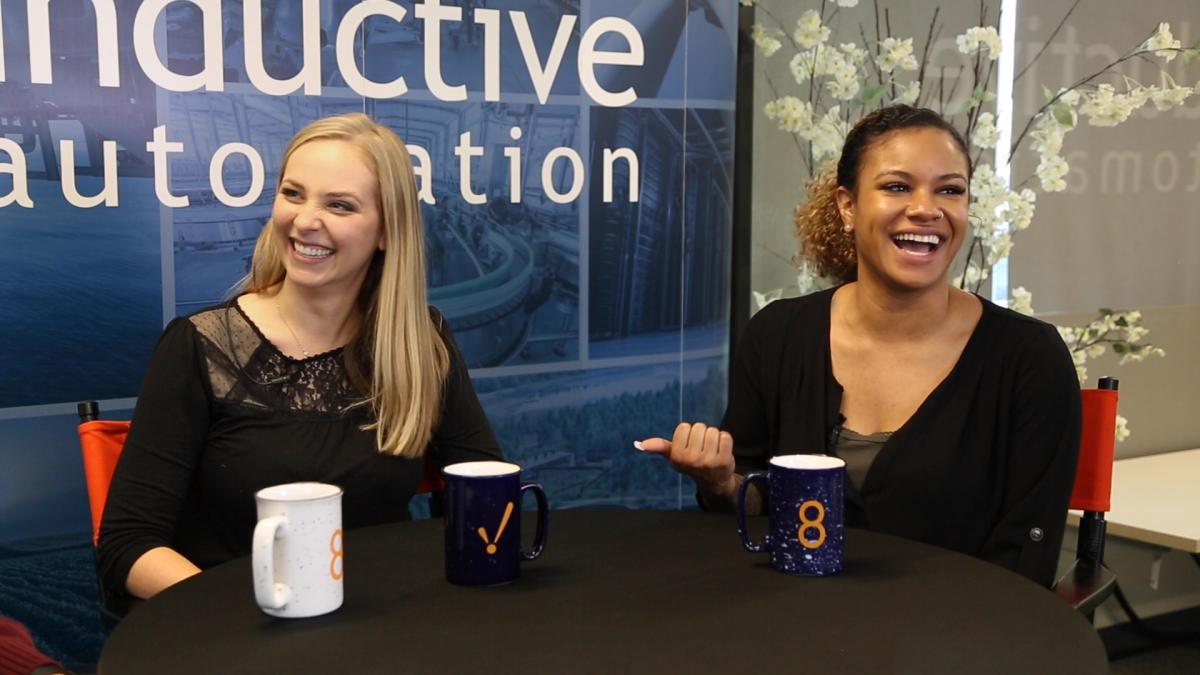
Lauren and Shay are talking to Director of Marketing Doug Dudley about understanding the wants and needs of your customers in order to build a meaningful relationship. Doug will discuss ways of connecting with your audience, identifying your target audience, staying relevant, and understanding the customer journey. We learn ways to connect with an audience, building trust and credibility. Doug also provides tips for researching demographics and eliminating guesswork, and explains why you shouldn't try to appeal to everyone.
Hero
Integrator Program Level
Thumbnail
Wistia ID
a7igs7mjbx
Topic
Featured at Location
Learning Series
Transcription
00:08
Shay: Hello, and welcome to our Sales and Marketing Training videos. I'm Shay.
00:12
Lauren: And I'm Lauren. Today, we'll be talking about an important part of Marketing, understanding your customers.
00:18
Shay: In this video we'll be discussing how to create a connection with your audience, ways to identify your target audience, and the importance of understanding the customer journey.
00:27
Lauren: Today, our guest is Doug Dudley, Director of Marketing here at Inductive Automation. Doug, thanks so much for taking time today.
00:33
Doug: Yeah, glad to be here.
00:35
Shay: I was hoping before we get into our content of understanding our customers, we could talk a little bit about how you got started with Inductive Automation in the Marketing department.
00:42
Doug: Yeah, that's a great idea. So I started here about eight years ago, or so, and I was brought in actually as a content writer to write marketing content. One of the reasons I was also brought in, is 'cause I could do a little bit of graphic design. That was my background, I got a degree in Graphic Design from Sacramento State. So because I could do that and I could write, they figured I was a good person to bring on the team. But when I joined, there was only two of us on the team, and it was really cool 'cause I got a chance to work on all kinds of different projects. I really focused on content at first, so I got the webinar program started. I wrote a lot of white papers and case studies for the company. Eventually the company grew, we got bigger and more people got added into Marketing and then I got a chance to work with a lot more people on different projects, like the Conference, which I've been involved with since the beginning basically. And working on different promotions for the product, like the launch of Ignition 8, and now I get to work on projects like this, talking about Marketing. So it's been a really cool place to work, a lot of awesome projects and awesome people to work with.
01:46
Lauren: Oh thanks.
01:48
Doug: You're among them.
01:49
Lauren: Yeah we are, yeah.
01:52
Doug: Yeah, so that's how I got started in Inductive Automation.
01:54
Lauren: Well, we're excited to start this series with you, and we're starting with kind of a big topic...
02:00
Doug: Sure.
02:01
Lauren: Understanding your customers. Why is that so important and how is creating that relationship or finding a relational point so important to building any marketing or even just starting out with marketing?
02:15
Doug: Right, so understanding your customers is definitely kind of a foundational principle for any kind of good marketing. And one of the reasons for that is you are just trying to build a relationship with whoever you're trying to market to. Similar to sales, where in sales, you're doing a one-to-one relationship, where you're talking to someone on the phone, or in person trying to get to know them, trying to win over their trust. Marketing is much the same, but the difference is, instead of a one-to-one relationship, you're kind of doing a one-to-many relationship.
02:44
Doug: So you're talking to hundreds or thousands of people at once. But in spite of that, you're still trying to build some kind of trusting relationship that you can build on so they start to trust you and start to believe the messages you're telling them about your product or service. And that really has to begin with understanding who your customers are, understanding your audience. It's very difficult to have any kind of meaningful relationship or trusting relationship, if you don't understand the other person. So if you had a friend who just didn't understand you, didn't know anything about you, chances are you probably weren't great friends with them, you probably didn't have a lot of great conversations with them, because they don't understand anything about you. You have to be able to understand something about the other person, to be able to relate to them and to start building that relationship, yeah.
03:38
Lauren: Awesome, and then how do we get to that point of not only understanding but connecting and making ourselves someone they come to for answers?
03:50
Doug: Yeah, so a couple things there to think about and that's being credible, and being relevant. So credibility is you want to kinda talk-the-talk. You wanna sound like your audience, people can pretty quickly catch on to the fact that you might not know what you're talking about, especially if you're trying to talk to them about a subject that they know very well. Your customers have probably have been doing what they're doing for a long time, they're experts in their field, so you have to be able to relate to them in a credible way, use the terms they use, understand the problems they face on a daily basis so that you can have conversations where they can start to have the feeling of, "This person knows what I'm going through. This person knows about my industry, about my business, about the problems I'm trying to solve," and that credibility can help them believe you more.
04:43
Doug: The other piece of it is relevance: So you could be incredibly credible, but if you are trying to relate to your customer in a way that's not relevant to what they are looking for at the time, they may very well discount you because you're not gonna be helping them with whatever they're facing at the moment. So, you know an example of this is if you were trying to market snow cones in Antarctica, right, it's gonna be hard to really relate to that audience there, because you are giving a solution, you're trying to market a solution to a problem, none of them really have. They're not worrying about warming up, they're... or they're not worrying about cooling down rather.
05:24
Lauren: Typical I know, they are, yeah.
05:27
Doug: They're worried about warming up [chuckle]. Unless they're in a...
05:27
Lauren: More of a hot-chocolate market. Yeah.
05:29
Doug: Yeah, that would be better, a hot-chocolate market, more relevant to the problem they're trying to solve, right? You're selling those same snow cones in a warm place like Miami Beach on a summer day, you have a relevant solution to a relevant problem that those customers are facing, and they're probably more likely to listen to what you have to say. So that also goes with understanding your audience. If you understand your audience, you understand what problems they're facing and therefore can give them a relevant solution to solving those problems. If you don't understand the problems they're facing, if you don't understand what they're doing in their jobs, it's very difficult to relate to them in a relevant way that's gonna be something they're gonna wanna take the time to listen to you for.
06:10
Shay: Definitely. So I agree, making sure that you're credible, and relevant to your customers is super important. And another huge piece of this is identifying who those customers even are. And a lot of times when we're getting started with this, we want everyone to be our customer, right? The more customers, the better. But why is that not always the best approach?
06:30
Doug: Yeah, it's kind of counterintuitive, right? Because you think, "Man, a really good marketing strategy would be to appeal to as many people as possible", 'cause then you have this much higher base of people that could be interested in your product, right? And that should give you more sales. And the problem with that is it really makes the message you have kind of too general to stand out to anybody, if you don't narrow your target down to who you're specifically trying to address. An example I have of this is, at one of my first design jobs, I was working at a small advertising firm and we had a customer come in who wanted us to create a campaign that appealed to a broad segment of the audience. He was selling trash bag liner and his thinking was everyone throws away trash, everyone needs a trash bag liner. This should appeal to everybody. Yes, it's a universal product, right? And so he had some very specific instruction about the type of campaign he wanted us to create for him. And so we tried to create a campaign that appealed to as many people as possible, and the problem was, by appealing to as many people as possible, it just was too general to stand out. And as a result, it just wasn't very successful.
07:35
Doug: If instead, you can narrow down to who you're really trying to talk to, who you're really trying to target and then be able to give them a product or a service and describe it in a way that's very relevant and credible to them at the time, you're gonna have a much higher success rate at communicating to that person and by having them think, "Hey, this is a product that really was meant for me and is addressing the problems that I have." You're gonna have a much higher success rate if you narrow your target down a bit. Yeah.
08:05
Shay: And what sorts of questions can we ask to be able to help narrow that down? What kind of things can we think about to look internally and look at, "Okay, what do I do that applies to them," or that sort of thing?
08:16
Doug: Right. Yeah, so when you are identifying your audience, I think as you said, internally that is a good way of going. Instead of looking outward and trying to speculate or figure out what is the best audience out there for me to try to capture, which industry is gonna be the most profitable or which one has the most people in it so I can sell the most, whatever. I think you're better looking inside-out. See who you are as a company, what values you have, what you do better than anybody else, and also who you know better than anyone, anybody else, and also like what audience do you really know?
08:57
Doug: If you start there, you are gonna be much more likely to be able to have a product or service that is gonna appeal to that audience or better said, you're gonna be able to know how to make that product or service appeal much more to the audience because you really, really know who that audience is. Some of the questions you need to ask about that audience is, what's their day-to-day job like? What kind of problems are they facing everyday that frustrate them? What slows them down from doing their job? If you can kind of identify those, those kind of pain points that they face, that'll really give you a blueprint to understand how to address that target audience in a relevant way and be credible with them as well.
09:40
Lauren: We had some time to actually sit down with some integrators and talk to them about this whole process of understanding your customers, relating to them and identifying your target audience, and two integrators in particular, Grantek and Vertech, had some really awesome things to say. We'll be cutting to them throughout the series, but today in particular, we're interested in hearing what they have to say about this topic.
10:04
Doug: Awesome.
10:05
Lauren: We'll roll that clip. Check it out.
10:08
James Burnand: The way we determine our target audience for our marketing is by creating profiles of our most successful engagements and clients. We like to look at those engagements from a number of factors, including where folks sit inside of their organizations, what the verticals of those organizations are, as well as what types of engagements we have to ensure that as we're creating marketing materials and we're crafting our messaging is that the folks that we're targeting are already the kind of people that we know will receive our messaging very well. Our typical customer can range anywhere from someone on the factory floor to someone inside of a corporate engineering role, or someone who sits inside of the executive suite at one of our clients' sites. What we found is that the key in those clients is really making sure that those folks have the support of the organization and not just from an engineering capacity, but also from a general business capacity for solving the issues of that particular customer.
11:02
Chris McLaughlin: Our typical customer, that, let's talk about the semantics of that. I would say that our customer is actually going to be down on the engineering level. And so this is an old... I don't know, it's kinda like a wives' tale of that you would be going after a C-level person or a director of this or the plant manager of that and that's who you're going to start with when you are selling an MES project or even a SCADA project, but we did a lot of research and found out that that's just not true.
11:34
Chris McLaughlin: The first person that always contacts us is some engineer or senior engineer or IT ‘this.’ And inevitably, that's the person that we are looking for to make that first contact. So the reason why we're appealing to the engineers and the IT people, we didn't choose them, they're the ones that are choosing us. And so, yes, we wanna talk to everybody in the company and inevitably, you're going to have to step it up a little bit as you get through these meetings, there will be more senior people or different positions that you're gonna end up relating to, but the first person that we have to relate to is going to be on that engineering and IT level. They are the ones that are searching after the solution. They are the ones that are doing the research on the software and on Vertech and therefore we want to show them what we're all about.
12:23
Lauren: Not only have we kind of established who our audience is and kind of refined it, targeted it a little bit, but we've also created some connection there, right? What's the next step? We talk a lot in marketing about the customer journey. It's this process that our customers go through from first discovering the name of our product to purchasing and maybe even giving the referral to somebody else. And I know there's a lot of steps in that process and I know you can walk us through it, but I have a really memorable analogy that I learned from you, actually...
13:01
Doug: Oh yeah, okay.
13:02
Lauren: That really helped me understand the customer journey and it has something to do with a marriage proposal on the first date. Can you tell me a little bit or our audience a little?
13:10
Doug: Yeah. Yes, I'm definitely happy to explain that and I feel that I definitely need to explain that. Yeah, so as you said, the customer journey is a typical journey someone goes on from first hearing about you to becoming a customer and then hopefully referring other customers to you. And the way they go through that journey is really through a series of commitments. So going to the marriage proposal example, if you were going on your very first date with somebody, and then you asked the person at the end of that first date to make a commitment for them to marry you, that's probably, that's probably...
13:47
Shay: Not gonna go well.
13:47
Doug: Yeah that's probably a no-go, right.
13:48
Shay: It's a no.
13:49
Lauren: It's a no for me it's a no from both of us.
13:51
Doug: Okay, and why is that? Maybe you had the best first date ever. Maybe there was a connection there and everything, but you haven't given it enough time.
14:01
Lauren: It's too soon.
14:02
Doug: It's too soon, there's not enough trust built up and it's just too big of a commitment to ask at first. However, if you were to ask somebody, that same person after let's say, a hundred dates. There's a much higher likelihood that they would say yes, 'cause they've gone on that journey with you, right? You've gone on that journey together, you've had a series of hopefully engaging conversation and dates if you've gone on a hundred of them...
14:28
Shay: Yup.
14:29
Doug: Right? Either that or you're really going to some nice places to eat or something. [laughter] And you probably had a series of commitments that have gone a little deeper, and deeper. So the first commitment from the first date is probably asking for the second date. That's a little easier to say yes to than...
14:46
Shay: Spend the rest of your life, with me please, now.
14:48
Doug: Right, just give me a small period of time, another date, and then after that there might be another commitment. So this series of commitments can kind of help lead along this journey. It's similar to the customer journey, in that when you're first marketing to people, the first part of the customer journey is awareness. And awareness is just when the customer first becomes aware of you. Maybe they see a print out that you put out, or maybe they stumbled across your website 'cause they were searching for you. Or maybe they just heard about you from a colleague, right, they become aware of you as a company and that you might have something that is of interest to them.
15:24
Doug: That leads to the next step, which is consideration. So consideration is where they have now, are now considering your service or your solution as a potential solution to their problem. Once they do that, they start evaluating other solutions as well, that's where the decision comes in, where they have to make a decision, "Should I go with your solution or should I go with the customer's... Or another competitor's solution? Hopefully they pick yours and if they do, then you get into commitment where they have now decided to buy your service, or your solution, they are committed to you, in some small degree, and you're committed to fulfill that in some small way.
16:00
Doug: Hopefully, you do a great job there, and if you do, then that leads to the last step of the customer journey which is referral where your customer has now gone all the way and they have used your product or service. They really like it and now they're really excited to tell other people about it, which then creates awareness for those people. And then those people go back into their own customer journey where now they're going through it with you too. So, if it all works really nicely then you kinda create this self-perpetuating flow of new awareness, new leads into this customer journey. And the transition point between each one of those steps is a slightly different level of commitment where you're maybe you're asking them to just to do a little bit more, a little more engagement, a little bit more commitment into the point where yeah, they become your customer, they love your product and they're telling other people about it. So that's just a little bit of an overview, what a customer journey is, and...
16:53
Lauren: Maybe could you give us a little bit more of a real world example, what does this look like for somebody in the Automation space, or a Solutions Provider?
17:01
Doug: Sure, so maybe kind of a real world example of how you could put this in play. Let's say you have a trade show and at the trade show, you have a booth there, and someone comes across your booth for the very first time and they see your name, and they're like "Oh," they become aware of you, great. Okay, so they become aware of you. You wanna have some commitment to ask them to take them to that next step of the customer journey, right? So a possible thing you could have there is, you could be hosting another event and you can invite them to that event. Say, "Hey, it's great to meet you, we're doing a lunch tomorrow, and we'd love to have you come out, get some free food. We have one of our customers, talking about the project he's working on."
17:39
Doug: Okay, that's a commitment, but there's free food involved, it's not a super, super heavy commitment. So let's say they show up the next day. They come, they listen to your customer talk, they get some free food. You want some other level of commitment at that point, there's gotta be some next step for them to take if you wanna keep them moving along on the customer journey. So maybe there, you have an invite to get a free consultation to learn about your product or service. They could find out a little bit more to see if it's right for them, right? So, that seems like a pretty good commitment. They say, "Okay, I'll do it for free. It's free."
18:11
Doug: In a little bit of all the time, they call you, you have a free consultation and then maybe at the end of that you send them a quote that's the next level. Okay, so now they've considered you and now they're starting to put some dollars to this, "Okay, should I make this decision?" Let's say they do, and then you make the sale. Now the next level is, you've gotta do some great project work, you gotta really fulfill your end of the promise. And then maybe a commitment after that point is, you ask that customer to do a little bit more for you by telling other people about you, maybe you even ask 'em to your next trade show, so that he can be the customer that's speaking and telling other people about the amazing service he got, and if he does that now he is referring people to you as well. So that's just an example of how you could have this kind of stair-step of different levels of commitment, going deeper, and deeper, and deeper each one transitioning that customer to the next level of the customer journey, and getting them all the way to the end where they're now hopefully creating some referrals for you that you can lead them along the customer journey as well.
19:12
Lauren: It sounds really exciting.
19:14
Doug: Yeah.
19:14
Lauren: And I know this comes up throughout our Marketing series...
19:15
Doug: It does.
19:17
Lauren: Understanding the point at which your customer is in their customer journey.
19:21
Doug: It's definitely a part of understanding the customer. So we talked about understanding who they are, building that level of trust, but then also understanding where they are on the customer journey, is a very important step to know how you should relate to them in a relevant way.
19:33
Shay: You don't wanna be pushy, right off of the bat.
19:35
Doug: You don't wanna be pushy, nope you don't want them running away.
19:37
Lauren: Can't start with the ring.
19:38
Doug: You wanna get to that hundred date, right? You wanna get to that hundred date and then...
19:43
Shay: Well, thank you Doug, this has been super helpful and we're excited to continue to get to work with you on this. Is there anything else that you wanna send us off with today?
19:51
Doug: No, I've just had a great time doing it. I'm looking forward to talking to you about even more tips for Marketing and yeah, excited.
19:58
Shay: So are we.
19:58
Lauren: Alright, so are we. Thanks, Doug.
20:04
Doug: Okay. Cool.
Shay: Hello, and welcome to our Sales and Marketing Training videos. I'm Shay.
00:12
Lauren: And I'm Lauren. Today, we'll be talking about an important part of Marketing, understanding your customers.
00:18
Shay: In this video we'll be discussing how to create a connection with your audience, ways to identify your target audience, and the importance of understanding the customer journey.
00:27
Lauren: Today, our guest is Doug Dudley, Director of Marketing here at Inductive Automation. Doug, thanks so much for taking time today.
00:33
Doug: Yeah, glad to be here.
00:35
Shay: I was hoping before we get into our content of understanding our customers, we could talk a little bit about how you got started with Inductive Automation in the Marketing department.
00:42
Doug: Yeah, that's a great idea. So I started here about eight years ago, or so, and I was brought in actually as a content writer to write marketing content. One of the reasons I was also brought in, is 'cause I could do a little bit of graphic design. That was my background, I got a degree in Graphic Design from Sacramento State. So because I could do that and I could write, they figured I was a good person to bring on the team. But when I joined, there was only two of us on the team, and it was really cool 'cause I got a chance to work on all kinds of different projects. I really focused on content at first, so I got the webinar program started. I wrote a lot of white papers and case studies for the company. Eventually the company grew, we got bigger and more people got added into Marketing and then I got a chance to work with a lot more people on different projects, like the Conference, which I've been involved with since the beginning basically. And working on different promotions for the product, like the launch of Ignition 8, and now I get to work on projects like this, talking about Marketing. So it's been a really cool place to work, a lot of awesome projects and awesome people to work with.
01:46
Lauren: Oh thanks.
01:48
Doug: You're among them.
01:49
Lauren: Yeah we are, yeah.
01:52
Doug: Yeah, so that's how I got started in Inductive Automation.
01:54
Lauren: Well, we're excited to start this series with you, and we're starting with kind of a big topic...
02:00
Doug: Sure.
02:01
Lauren: Understanding your customers. Why is that so important and how is creating that relationship or finding a relational point so important to building any marketing or even just starting out with marketing?
02:15
Doug: Right, so understanding your customers is definitely kind of a foundational principle for any kind of good marketing. And one of the reasons for that is you are just trying to build a relationship with whoever you're trying to market to. Similar to sales, where in sales, you're doing a one-to-one relationship, where you're talking to someone on the phone, or in person trying to get to know them, trying to win over their trust. Marketing is much the same, but the difference is, instead of a one-to-one relationship, you're kind of doing a one-to-many relationship.
02:44
Doug: So you're talking to hundreds or thousands of people at once. But in spite of that, you're still trying to build some kind of trusting relationship that you can build on so they start to trust you and start to believe the messages you're telling them about your product or service. And that really has to begin with understanding who your customers are, understanding your audience. It's very difficult to have any kind of meaningful relationship or trusting relationship, if you don't understand the other person. So if you had a friend who just didn't understand you, didn't know anything about you, chances are you probably weren't great friends with them, you probably didn't have a lot of great conversations with them, because they don't understand anything about you. You have to be able to understand something about the other person, to be able to relate to them and to start building that relationship, yeah.
03:38
Lauren: Awesome, and then how do we get to that point of not only understanding but connecting and making ourselves someone they come to for answers?
03:50
Doug: Yeah, so a couple things there to think about and that's being credible, and being relevant. So credibility is you want to kinda talk-the-talk. You wanna sound like your audience, people can pretty quickly catch on to the fact that you might not know what you're talking about, especially if you're trying to talk to them about a subject that they know very well. Your customers have probably have been doing what they're doing for a long time, they're experts in their field, so you have to be able to relate to them in a credible way, use the terms they use, understand the problems they face on a daily basis so that you can have conversations where they can start to have the feeling of, "This person knows what I'm going through. This person knows about my industry, about my business, about the problems I'm trying to solve," and that credibility can help them believe you more.
04:43
Doug: The other piece of it is relevance: So you could be incredibly credible, but if you are trying to relate to your customer in a way that's not relevant to what they are looking for at the time, they may very well discount you because you're not gonna be helping them with whatever they're facing at the moment. So, you know an example of this is if you were trying to market snow cones in Antarctica, right, it's gonna be hard to really relate to that audience there, because you are giving a solution, you're trying to market a solution to a problem, none of them really have. They're not worrying about warming up, they're... or they're not worrying about cooling down rather.
05:24
Lauren: Typical I know, they are, yeah.
05:27
Doug: They're worried about warming up [chuckle]. Unless they're in a...
05:27
Lauren: More of a hot-chocolate market. Yeah.
05:29
Doug: Yeah, that would be better, a hot-chocolate market, more relevant to the problem they're trying to solve, right? You're selling those same snow cones in a warm place like Miami Beach on a summer day, you have a relevant solution to a relevant problem that those customers are facing, and they're probably more likely to listen to what you have to say. So that also goes with understanding your audience. If you understand your audience, you understand what problems they're facing and therefore can give them a relevant solution to solving those problems. If you don't understand the problems they're facing, if you don't understand what they're doing in their jobs, it's very difficult to relate to them in a relevant way that's gonna be something they're gonna wanna take the time to listen to you for.
06:10
Shay: Definitely. So I agree, making sure that you're credible, and relevant to your customers is super important. And another huge piece of this is identifying who those customers even are. And a lot of times when we're getting started with this, we want everyone to be our customer, right? The more customers, the better. But why is that not always the best approach?
06:30
Doug: Yeah, it's kind of counterintuitive, right? Because you think, "Man, a really good marketing strategy would be to appeal to as many people as possible", 'cause then you have this much higher base of people that could be interested in your product, right? And that should give you more sales. And the problem with that is it really makes the message you have kind of too general to stand out to anybody, if you don't narrow your target down to who you're specifically trying to address. An example I have of this is, at one of my first design jobs, I was working at a small advertising firm and we had a customer come in who wanted us to create a campaign that appealed to a broad segment of the audience. He was selling trash bag liner and his thinking was everyone throws away trash, everyone needs a trash bag liner. This should appeal to everybody. Yes, it's a universal product, right? And so he had some very specific instruction about the type of campaign he wanted us to create for him. And so we tried to create a campaign that appealed to as many people as possible, and the problem was, by appealing to as many people as possible, it just was too general to stand out. And as a result, it just wasn't very successful.
07:35
Doug: If instead, you can narrow down to who you're really trying to talk to, who you're really trying to target and then be able to give them a product or a service and describe it in a way that's very relevant and credible to them at the time, you're gonna have a much higher success rate at communicating to that person and by having them think, "Hey, this is a product that really was meant for me and is addressing the problems that I have." You're gonna have a much higher success rate if you narrow your target down a bit. Yeah.
08:05
Shay: And what sorts of questions can we ask to be able to help narrow that down? What kind of things can we think about to look internally and look at, "Okay, what do I do that applies to them," or that sort of thing?
08:16
Doug: Right. Yeah, so when you are identifying your audience, I think as you said, internally that is a good way of going. Instead of looking outward and trying to speculate or figure out what is the best audience out there for me to try to capture, which industry is gonna be the most profitable or which one has the most people in it so I can sell the most, whatever. I think you're better looking inside-out. See who you are as a company, what values you have, what you do better than anybody else, and also who you know better than anyone, anybody else, and also like what audience do you really know?
08:57
Doug: If you start there, you are gonna be much more likely to be able to have a product or service that is gonna appeal to that audience or better said, you're gonna be able to know how to make that product or service appeal much more to the audience because you really, really know who that audience is. Some of the questions you need to ask about that audience is, what's their day-to-day job like? What kind of problems are they facing everyday that frustrate them? What slows them down from doing their job? If you can kind of identify those, those kind of pain points that they face, that'll really give you a blueprint to understand how to address that target audience in a relevant way and be credible with them as well.
09:40
Lauren: We had some time to actually sit down with some integrators and talk to them about this whole process of understanding your customers, relating to them and identifying your target audience, and two integrators in particular, Grantek and Vertech, had some really awesome things to say. We'll be cutting to them throughout the series, but today in particular, we're interested in hearing what they have to say about this topic.
10:04
Doug: Awesome.
10:05
Lauren: We'll roll that clip. Check it out.
10:08
James Burnand: The way we determine our target audience for our marketing is by creating profiles of our most successful engagements and clients. We like to look at those engagements from a number of factors, including where folks sit inside of their organizations, what the verticals of those organizations are, as well as what types of engagements we have to ensure that as we're creating marketing materials and we're crafting our messaging is that the folks that we're targeting are already the kind of people that we know will receive our messaging very well. Our typical customer can range anywhere from someone on the factory floor to someone inside of a corporate engineering role, or someone who sits inside of the executive suite at one of our clients' sites. What we found is that the key in those clients is really making sure that those folks have the support of the organization and not just from an engineering capacity, but also from a general business capacity for solving the issues of that particular customer.
11:02
Chris McLaughlin: Our typical customer, that, let's talk about the semantics of that. I would say that our customer is actually going to be down on the engineering level. And so this is an old... I don't know, it's kinda like a wives' tale of that you would be going after a C-level person or a director of this or the plant manager of that and that's who you're going to start with when you are selling an MES project or even a SCADA project, but we did a lot of research and found out that that's just not true.
11:34
Chris McLaughlin: The first person that always contacts us is some engineer or senior engineer or IT ‘this.’ And inevitably, that's the person that we are looking for to make that first contact. So the reason why we're appealing to the engineers and the IT people, we didn't choose them, they're the ones that are choosing us. And so, yes, we wanna talk to everybody in the company and inevitably, you're going to have to step it up a little bit as you get through these meetings, there will be more senior people or different positions that you're gonna end up relating to, but the first person that we have to relate to is going to be on that engineering and IT level. They are the ones that are searching after the solution. They are the ones that are doing the research on the software and on Vertech and therefore we want to show them what we're all about.
12:23
Lauren: Not only have we kind of established who our audience is and kind of refined it, targeted it a little bit, but we've also created some connection there, right? What's the next step? We talk a lot in marketing about the customer journey. It's this process that our customers go through from first discovering the name of our product to purchasing and maybe even giving the referral to somebody else. And I know there's a lot of steps in that process and I know you can walk us through it, but I have a really memorable analogy that I learned from you, actually...
13:01
Doug: Oh yeah, okay.
13:02
Lauren: That really helped me understand the customer journey and it has something to do with a marriage proposal on the first date. Can you tell me a little bit or our audience a little?
13:10
Doug: Yeah. Yes, I'm definitely happy to explain that and I feel that I definitely need to explain that. Yeah, so as you said, the customer journey is a typical journey someone goes on from first hearing about you to becoming a customer and then hopefully referring other customers to you. And the way they go through that journey is really through a series of commitments. So going to the marriage proposal example, if you were going on your very first date with somebody, and then you asked the person at the end of that first date to make a commitment for them to marry you, that's probably, that's probably...
13:47
Shay: Not gonna go well.
13:47
Doug: Yeah that's probably a no-go, right.
13:48
Shay: It's a no.
13:49
Lauren: It's a no for me it's a no from both of us.
13:51
Doug: Okay, and why is that? Maybe you had the best first date ever. Maybe there was a connection there and everything, but you haven't given it enough time.
14:01
Lauren: It's too soon.
14:02
Doug: It's too soon, there's not enough trust built up and it's just too big of a commitment to ask at first. However, if you were to ask somebody, that same person after let's say, a hundred dates. There's a much higher likelihood that they would say yes, 'cause they've gone on that journey with you, right? You've gone on that journey together, you've had a series of hopefully engaging conversation and dates if you've gone on a hundred of them...
14:28
Shay: Yup.
14:29
Doug: Right? Either that or you're really going to some nice places to eat or something. [laughter] And you probably had a series of commitments that have gone a little deeper, and deeper. So the first commitment from the first date is probably asking for the second date. That's a little easier to say yes to than...
14:46
Shay: Spend the rest of your life, with me please, now.
14:48
Doug: Right, just give me a small period of time, another date, and then after that there might be another commitment. So this series of commitments can kind of help lead along this journey. It's similar to the customer journey, in that when you're first marketing to people, the first part of the customer journey is awareness. And awareness is just when the customer first becomes aware of you. Maybe they see a print out that you put out, or maybe they stumbled across your website 'cause they were searching for you. Or maybe they just heard about you from a colleague, right, they become aware of you as a company and that you might have something that is of interest to them.
15:24
Doug: That leads to the next step, which is consideration. So consideration is where they have now, are now considering your service or your solution as a potential solution to their problem. Once they do that, they start evaluating other solutions as well, that's where the decision comes in, where they have to make a decision, "Should I go with your solution or should I go with the customer's... Or another competitor's solution? Hopefully they pick yours and if they do, then you get into commitment where they have now decided to buy your service, or your solution, they are committed to you, in some small degree, and you're committed to fulfill that in some small way.
16:00
Doug: Hopefully, you do a great job there, and if you do, then that leads to the last step of the customer journey which is referral where your customer has now gone all the way and they have used your product or service. They really like it and now they're really excited to tell other people about it, which then creates awareness for those people. And then those people go back into their own customer journey where now they're going through it with you too. So, if it all works really nicely then you kinda create this self-perpetuating flow of new awareness, new leads into this customer journey. And the transition point between each one of those steps is a slightly different level of commitment where you're maybe you're asking them to just to do a little bit more, a little more engagement, a little bit more commitment into the point where yeah, they become your customer, they love your product and they're telling other people about it. So that's just a little bit of an overview, what a customer journey is, and...
16:53
Lauren: Maybe could you give us a little bit more of a real world example, what does this look like for somebody in the Automation space, or a Solutions Provider?
17:01
Doug: Sure, so maybe kind of a real world example of how you could put this in play. Let's say you have a trade show and at the trade show, you have a booth there, and someone comes across your booth for the very first time and they see your name, and they're like "Oh," they become aware of you, great. Okay, so they become aware of you. You wanna have some commitment to ask them to take them to that next step of the customer journey, right? So a possible thing you could have there is, you could be hosting another event and you can invite them to that event. Say, "Hey, it's great to meet you, we're doing a lunch tomorrow, and we'd love to have you come out, get some free food. We have one of our customers, talking about the project he's working on."
17:39
Doug: Okay, that's a commitment, but there's free food involved, it's not a super, super heavy commitment. So let's say they show up the next day. They come, they listen to your customer talk, they get some free food. You want some other level of commitment at that point, there's gotta be some next step for them to take if you wanna keep them moving along on the customer journey. So maybe there, you have an invite to get a free consultation to learn about your product or service. They could find out a little bit more to see if it's right for them, right? So, that seems like a pretty good commitment. They say, "Okay, I'll do it for free. It's free."
18:11
Doug: In a little bit of all the time, they call you, you have a free consultation and then maybe at the end of that you send them a quote that's the next level. Okay, so now they've considered you and now they're starting to put some dollars to this, "Okay, should I make this decision?" Let's say they do, and then you make the sale. Now the next level is, you've gotta do some great project work, you gotta really fulfill your end of the promise. And then maybe a commitment after that point is, you ask that customer to do a little bit more for you by telling other people about you, maybe you even ask 'em to your next trade show, so that he can be the customer that's speaking and telling other people about the amazing service he got, and if he does that now he is referring people to you as well. So that's just an example of how you could have this kind of stair-step of different levels of commitment, going deeper, and deeper, and deeper each one transitioning that customer to the next level of the customer journey, and getting them all the way to the end where they're now hopefully creating some referrals for you that you can lead them along the customer journey as well.
19:12
Lauren: It sounds really exciting.
19:14
Doug: Yeah.
19:14
Lauren: And I know this comes up throughout our Marketing series...
19:15
Doug: It does.
19:17
Lauren: Understanding the point at which your customer is in their customer journey.
19:21
Doug: It's definitely a part of understanding the customer. So we talked about understanding who they are, building that level of trust, but then also understanding where they are on the customer journey, is a very important step to know how you should relate to them in a relevant way.
19:33
Shay: You don't wanna be pushy, right off of the bat.
19:35
Doug: You don't wanna be pushy, nope you don't want them running away.
19:37
Lauren: Can't start with the ring.
19:38
Doug: You wanna get to that hundred date, right? You wanna get to that hundred date and then...
19:43
Shay: Well, thank you Doug, this has been super helpful and we're excited to continue to get to work with you on this. Is there anything else that you wanna send us off with today?
19:51
Doug: No, I've just had a great time doing it. I'm looking forward to talking to you about even more tips for Marketing and yeah, excited.
19:58
Shay: So are we.
19:58
Lauren: Alright, so are we. Thanks, Doug.
20:04
Doug: Okay. Cool.
Series Order
18
The High Road
Joanna Cortez
Fri, 05/22/2020 - 11:18
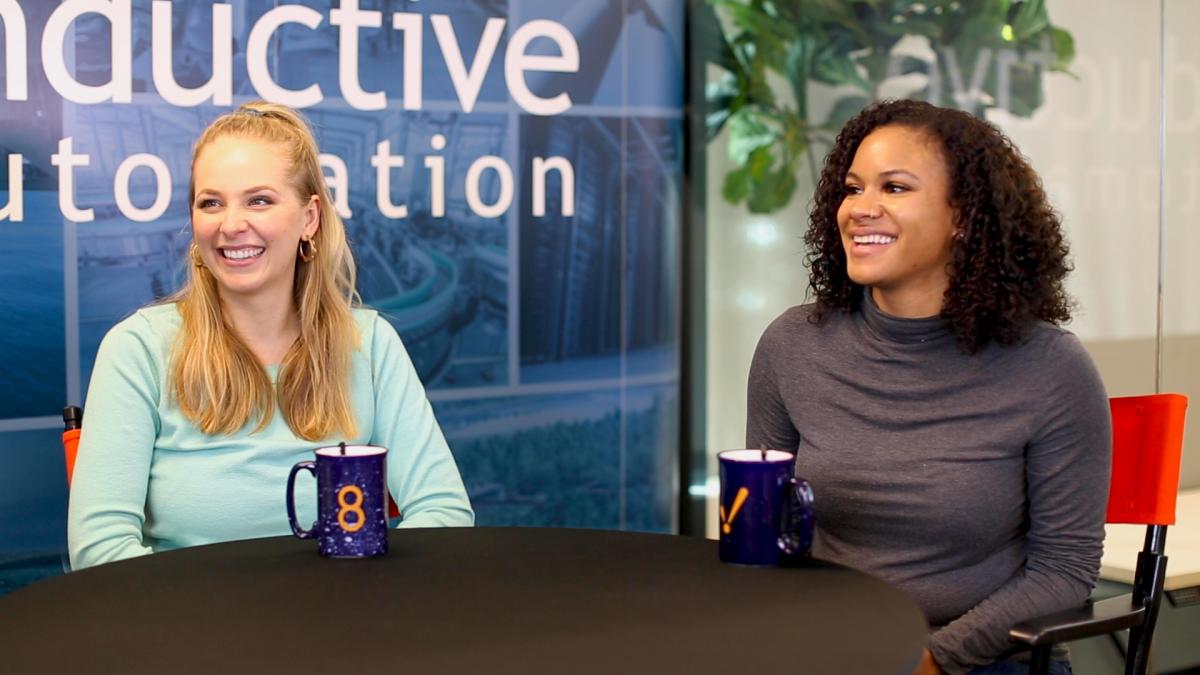
Lauren and Shay are sitting down with Co-Director of Sales Engineering Kevin McClusky about how and why we take the high road when selling Ignition. Kevin explains why a big piece of our values is not comparing ourselves to the competition and not speaking poorly of competitors. Kevin shares how you take the high road when a customer is insisting on a comparison. We learn how to remain truthful and positive, stay in an educational mindset, direct the conversation, and focus on the solutions that Ignition provides
Video Transcript:
00:08
Lauren: Welcome back to our sales and marketing training series. I'm Lauren.
00:12
Shay: And I'm Shay. Today's video is on taking the high road.
00:14
Lauren: We're talking with co-director of sales engineering, Kevin McClusky, about how and why we take the high road in our sales strategy. Kevin, thanks for being here.
00:24
Kevin: Thank you for having me.
00:25
Shay: So, you're a musician. We got to hear a little bit of your music at ICC 2019. And I heard that you play three instruments. So, what are they?
00:35
Kevin: That's true, yeah, yeah. So, I play keys. I've actually played piano since I was five.
00:40
Shay: Oh, wow.
00:40
Kevin: And then, I play bass, and I play enough drums that I kind of consider myself a drummer. I sing, too.
00:47
Shay: Yeah, oh, wow.
00:47
Lauren: You're a full band.
00:49
Shay: Yeah, seriously, you could do it all by yourself.
00:51
Kevin: Well, that's all you need, so you don't need anybody else, then. Right?
00:55
Shay: Yeah, no, that's true. Very independent.
00:57
Kevin: No, no, obviously I put the Kevin and the Ignition 8 band together back at ICC. So, yeah, other people are important.
01:04
Shay: Kevin and the Ignition 8, Kevin and the Ignition 8?
01:06
Kevin: Well, depends on who you talk to.
01:09
Shay: Yeah, that's true.
01:09
Kevin: Somebody said, Kent and the Ignition, and there's...
01:11
Shay: I don't know where they got that idea from.
01:15
Kevin: Yeah, I know, yeah. It's ridiculous.
01:15
Lauren: It's so weird.
01:16
Lauren: Hot-button issue.
01:18
Shay: Here's the real question: So, you're really into music, it's a really big pastime of yours. So, how does that relate to your other big pastime, which is your career here? You're a co-director of sales engineering.
01:29
Kevin: Yeah, yeah, it's a really interesting question, because most people don't think of crossover between music and other fields. But in my position here, and really ever since I've been part of any sort of engineering team, it's always been a creative process. So, I started out in the integration business, I was working at a small integrator called Calmetrics, which Steve also owned, our founder/CEO.
01:55
Lauren: Yeah, sounds familiar.
01:56
Kevin: Right [chuckle]. And so, every integration job that I've ever done, or anybody I've ever helped, folks, helped projects with for those folks, they've always been creative endeavors. And so, some of that creativity in the music space, just sitting there, improvising, creating new things. I was really into jazz for quite a while. And so, you just sit there and you create whatever it is that you want to create. You're sitting down, you don't have a script for what you're doing. Engineering work is similar to that as well. So, you come in, you take a look at it, you say, ‘Oh, this would be great if we put this here. If we played a few notes here like this, it's gonna make the customer delighted,’ right? And so, there's the creativity and being able to run and kinda roll with the punches and adjust as things go along, I think really does cross over quite a bit between the two.
02:51
Lauren: Well, on to a slightly different subject, this video that we're doing today is on the high road, that's something we talk about a fair amount at Inductive Automation. And a big piece of our values around that is not comparing ourselves to the competition, and really not even talking about the competition. Why do we do that?
03:11
Kevin: There are many facets to the answer here, and I'll try to cover all of those over the next few minutes, as we're sitting here talking. One of those important things is that as a company, as a product, as folks who create Ignition for ourselves, we really strive to make a product that stands on its own. A product that is complete, the product that has a whole set of features that are going to be different from other folks. And so, we like to approach things as, ‘This is Ignition, this is all you really need to talk about. We don't really need to talk about other folks, we need to talk about what we're offering to folks.’
04:00
Shay: And what can be the downfall, then, of going that negative route and maybe focusing on competitors?
04:05
Kevin: Sure, sure, yeah, that's a good question. So, I like to think of it, liken it kind of to a political campaign, right? So, if you've got political ads that are out there, and yeah, every election cycle, right, you see all these smear campaigns, you see all these things that political rivals are talking negatively about each other. And even in this industry, we see it from a lot of companies, where they're saying, ‘Our software is better than X, our hardware is better than X. And this is why, and this is why, and this is why. They don't do these things, they don't do these things. We do 'em better.’
04:35
Kevin: I know that everybody probably has a visceral reaction when you think about these smear campaigns from political rivals, because it's never a positive thing, you don't walk away from those feeling like, ‘This is someone you want to engage with.’ You say, ‘Okay, maybe I'll vote for the other guy because this guy is so bad.’ We don't want that from our customers, right? We want them to vote for us, and to vote with their money or decide that Ignition is the right solution for them based on its own merit. And we've done a lot of work with the feature set, we've done a lot of work with the company to make our company a company that's as useful and as engaging and as supportive as possible for our customers.
05:18
Kevin: So, we really want folks to use the best solution, and 90% to 95% to 99% of the time, when folks are looking for a solution that's inside this space, Ignition is going to be that best solution, right? So, having an honest message about what we have and leading with the things that Ignition is really good at, and talking about those things means we don't need to go into that negative space.
05:44
Lauren: I know we'll be talking about the four pillars in other videos, but this feels like it really falls under that ethical pillar as well.
05:51
Kevin: Yeah, absolutely, absolutely. So, we've got the four pillars, we are going to have that inside the other videos. And for folks who are watching at home, right, go ahead and click over to those other videos, you'll see that. But one of those pillars, that's really important for our company, is that ethical pillar. And that ethical pillar says, ‘We're not going to compete with integrators, we're going to try to do things that are the right way with folks. We are going to respect the relationships that we have, we're going to try to do our business in as ethical a way as possible,’ and that's certainly part of it, right? You don't talk negatively about folks, all you do is you present what you have in as positive a way as it can honestly be presented, right? And then, they're going to make their own decision, they're going to self-select into what's best for them. We really want people to be successful in the long run, that's the overall goal. It's like, bring the things, show them. And we're really in the education business, so we wanna educate folks.
07:02
Lauren: What do you mean by that? What do you mean we're in the education business?
07:05
Kevin: We have a saying inside the sales engineering department, inside the sales department, inside the company overall as well, which is that the software sells itself. We're not here to convince folks to do something that they don't wanna do. We're here to show folks what Ignition does, how it does it, what features we've developed in the software, what our support structure is like, what our tech support looks like, what our Inductive University looks like; all these amazing things that we've created around Ignition. And let folks decide for themselves, is this what they need? Is this what they want? So, the idea is that education is going to bring folks around to help them to understand the feature set, understand how it lines up with their engineering needs. And then, they can decide, ‘Is this the best offer for me or not?’ And 90%, 95%, 99% of the time, they're going to go with Ignition, because we've put so many powerful features inside it, we have a price point that is amazing inside this industry. We have the unlimited licensing model. I could go on, right?
08:17
Shay: Yeah, I'd agree. So, with all of these things considered, then we're talking about taking the high road application-wise or putting these things into practice, how do you do that? How do you take the high road?
08:29
Kevin: Sure. So, I think the first thing for some folks, is to take a look at their own approach. So, I know that a number of folks who've come on with our organization, and with other organizations, too, might be in a mindset that, ‘You've gotta get out there and you've gotta sell, sell, sell.’ Right? That's not really the right mindset to be in. The right mindset to be in is, ‘Educate, educate, educate.’ Show people what the software can do, be honest about what it can do. If there are certain things that they're looking for that it doesn't do, be honest about that, as well. And talk about an overall solution, as Ignition is here, maybe there are some other pieces to it or maybe Ignition does everything.
09:11
Kevin: But talk about the solution space, talk about what Ignition is going to bring to the table. And if you're coming in from that positive mindset of, ‘I'm showing off something that is amazing, and I'm coming in with something…’ Because it's true, right? You don't have to fake that, right? If you're coming in from that perspective, you're not coming in from a perspective of, ‘I want to compare Ignition to this other thing. I wanna compare it to this. Ignition's better because this thing isn't as good as Ignition because Software X has this limitation and Ignition doesn't.’ You're instead, coming in from a perspective of, ‘Ignition has all these features and completely stands on its own. So, these are the things that are great about Ignition, this is the whole feature set.’ And then, customers can compare as much as they want to, to other things as well.
10:08
Kevin: It's also useful sometimes to talk about some of the big differentiating factors. So, if folks are asking about, ‘How does Ignition compare to Software X?’ You don't have to go into a negative space, right? But you can say, ‘Well, we're not experts on Software X,’ that's definitely true for Inductive Automation. We're not experts on all these other softwares, we can't really talk about exactly what they do. We've heard plenty of stories from integrators and other folks who've given us reports on certain things, but that doesn't make us experts. We just have some anecdotes here and there.
10:41
Kevin: So, it's not really our place to talk with authority about these other softwares, but we can say just in general terms, ‘Compared to the number of other things that are out there, these are the big differentiating factors with Ignition. We've got the unlimited licensing model, which is different than almost every other software out there. We're built on one platform, we have all these different modules that add to the functionality, we run as a single service, we're cross-platform, where we're running on Windows and Linux and Mac OS. We have full, true mobile-responsive options inside Ignition with the Perspective Module,’ and you could go on and on and on, right?
11:18
Shay: Literally.
11:20
Kevin: I think there's a specific video that we're doing on this as well, where you'll be interviewing Vannessa.
11:27
Lauren: Yes, exactly.
11:27
Shay: Yes, talking about differentiating factors, yeah.
11:28
Kevin: Yeah, yeah. So, that'll probably go through a whole slew of these, right? But you can focus on those and you don't have to compare it to another specific software product. We do have a comparison sheet that sometimes we'll send out that says, ‘Here's Ignition, here's all the boxes that Ignition checks.’ And then, you, if you're comparing it, you can go ahead and fill out the boxes for Software X. Fill in the name, up at the top, and fill in the boxes there, and come to your own conclusions about that. Of course, we're highlighting the things in Ignition that are the biggest differentiating factors in Ignition. Most of the things that are going to be common across softwares are certainly still worth mentioning on a phone call, but they're not gonna be highlighted in that document. And we often also talk about the Inductive Automation organization. So, that can be a really big differentiating factor for folks, too.
12:22
Kevin: We mentioned the four pillars earlier. We're a company that, in my experience, is extremely different from just about every other company out there. I started with the company about 10 years ago. And at the time, it was a very small group of folks. We've grown like crazy since then. But as the director and as someone who's grown with the company during that time, and is in charge, along with Travis Cox, the other co-director of sales engineering, is in charge of the sales engineering department, one of my jobs and one of the things that I've taken very seriously, is attempting to keep that small company feel as we get larger, and attempting to keep the agileness, attempting to keep the ability to work with customers and delight customers and have those one-on-one relationships. And that's one of our values inside the company, the delighting of customers, right?
13:18
Kevin: And so, as an organization, we have a lot of things that make us different than other folks. Sales engineering's talking directly to development on a regular basis, or (the) sales department is right next to other folks. We have direct lines from tech support to development, and we have a lot of interdepartmental communication that helps keep things smooth, helps folks get quick resolutions to different things, we have nightly builds for Ignition. There's just so much that makes us, as a company, a very different type of company to work with, versus a lot of the other folks that are out there. So, that's one that I like talking about as well, and also one that folks will find if they're comparing what their interactions might be with other companies, versus what ours is. We can't say exactly what their interactions with other companies might be, but we can tell them what we'll do, how we try to delight the customer, how we're very focused on trying to be responsive to what folks need, how a lot of our development is built on customer requests.
14:25
Lauren: Inevitably, when we're taking the high road, we most likely are going to eventually run into a customer who really wants to get into the nitty-gritty, and they say, ‘No, really?’ And they keep digging, and they want that comparison, and they want you to even speak poorly of a different company. How do you approach interactions like that?
14:44
Kevin: That's a really good question. So, I've been in the conversation with folks many times, where they say, ‘No, we're using Software X, we're using Software Y.’ What we really need to do is compare Ignition over to this software. ‘Can you give me a line-by-line comparison, can you tell me what is better about Ignition than these things?’ And they're really looking for information where we're going to provide this, and we're going to say, ‘Ignition's better in this way, in this way, in this way.’ And they most likely are going to get that list from a competitor, right? So, if they're talking to the competitor, we've seen many lists over the years that the competitor has said, ‘This is what Ignition does, and this is what we do, and this is why we're better than Ignition.’
15:29
Kevin: So, they're not gonna get that list from us, and the reason is everything that we just said. But to your question, ‘What is your response?’ One thing that's important is to have a response ready. So, have something prepared as you're talking to a customer, and they say, ‘Hey, we really want to compare you to Software X.’ One of the things that's really important for us in that response, is that we're not an expert when it comes to that other software. So, I mentioned it earlier, but we're not an expert. We don't know Software X. We may have some training, we may have some engineers who've gone through, we may even have some folks on our design team who've done some implementations inside this other product, but that still doesn't make us an expert on this other product.
16:16
Kevin: We know a few things, but there could be new versions that have been released, there could be additional things that have been added to the platform since we worked with it, they may have changed their architecture, their infrastructure, or we may just have an understanding of the software that's completely wrong. So, our engineers worked with this one section of it and not the whole software platform, and maybe there are certain things over here that do things in a different way. So, it goes along with taking the high road, but it's important that we're completely honest with folks, right? And so, when we talk about these things, we might respond in a way that says, ‘We're not an expert with the software, we can't claim to be an expert with the software. If we claimed that, we would be doing a disservice to you, because we would be giving you a comparison chart that you don't really know is true,’ right. And we're not going to be dishonest in the way that we express ourselves in the response that we give to them.
17:14
Kevin: So, ‘We can't give you that, but what we can give you, is this comparison chart that I mentioned earlier. And we can give you information about the differentiating factors of what Ignition, how it generally compares to other softwares in this space, the things that generally are going to be winners on the Ignition side.’ And I mentioned some of those earlier, and you can watch the other interview that you're doing around the differentiating factors specifically, right? But we'll go through that, and we'll have a response there. And I think it's really important that when someone is answering that question, that that response is something that is easy to pull out, easy to talk about and easy to express to folks.
18:04
Kevin: And I'll just give you an example of why this is really important, is because, I mentioned earlier that a number of our competitors do this comparison, side-to-side. Every single one that we've ever seen is wrong. So, we have never seen one that is factually accurate about what Ignition can do. Some folks say, ‘It can't do this, it can't do this, it can't do this. We do these things better.’ And then, when those comparisons come back to us, it's very easy for us to go through and say, ‘This is wrong, this is wrong, this is inaccurate. This company is giving you bad information about this, because Ignition does do this, it does it this way, these are the modules that you use, this is how you do it.’ And immediately, the other company loses credibility because they've expressed something that is just wrong. And part of our ethical pillar, and part of our expression of our software, and part of our core values is being honest about all these things, and being able to talk about what Ignition does, what Ignition doesn't do, and letting folks make that decision. So, if we started giving out comparison charts, then we would be in the same boat as some of the folks who ... we want to stay differentiated, right? We wanna stay honest, we wanna stay ethical, as a company, and it's really important that we maintain those lines.
19:23
Lauren: So, Kevin, as a company, Inductive Automation has taken the high road since the beginning, and you've been there for much of that, you've seen how that's panned out for us. How would you say that that's panned out for us as a company?
19:37
Kevin: Yeah, yeah, good question. So, we haven't always, full disclosure, been perfect about it, right? And so, there's some coaching that goes into the process when we bring new sales folks on board and new sales engineers. But overall, it's been really valuable for us as a company, and it's been a really cool thing to see. Because we don't have to trick people into things, we don't have to give people comparisons to other softwares that we think is probably right, but we're not 100% sure, we don't have to go the route of going into negative smear campaigns. We're able to be in the education business. Talk to folks about Ignition, talk to folks about Inductive Automation, talk about what an amazing thing it is that we're doing here and what an amazing company that we have and let 'em choose for themselves.
20:32
Kevin: And we've seen that rewarded over and over and over again, as folks start to understand where we're coming from, what we offer, who we are, how we're going to support them going into the future, and the organization that's really behind them as a customer when they purchase Ignition. So, it's been a really cool thing to see, it's been a really cool thing to be part of, and I'm looking forward to continuing being part of this far into the future.
21:00
Lauren: Well, excellent. So are we [chuckle].
21:01
Shay: Yeah, I was gonna say the same thing. Thanks so much for being here today.
21:04
Kevin: Absolutely. Yeah, thanks for having me.
21:08
Lauren: Thank you.
Hero
Integrator Program Level
Thumbnail
Wistia ID
pvki45eemk
Learning Series
Series Order
13
Handling Objections
Joanna Cortez
Fri, 05/22/2020 - 11:11
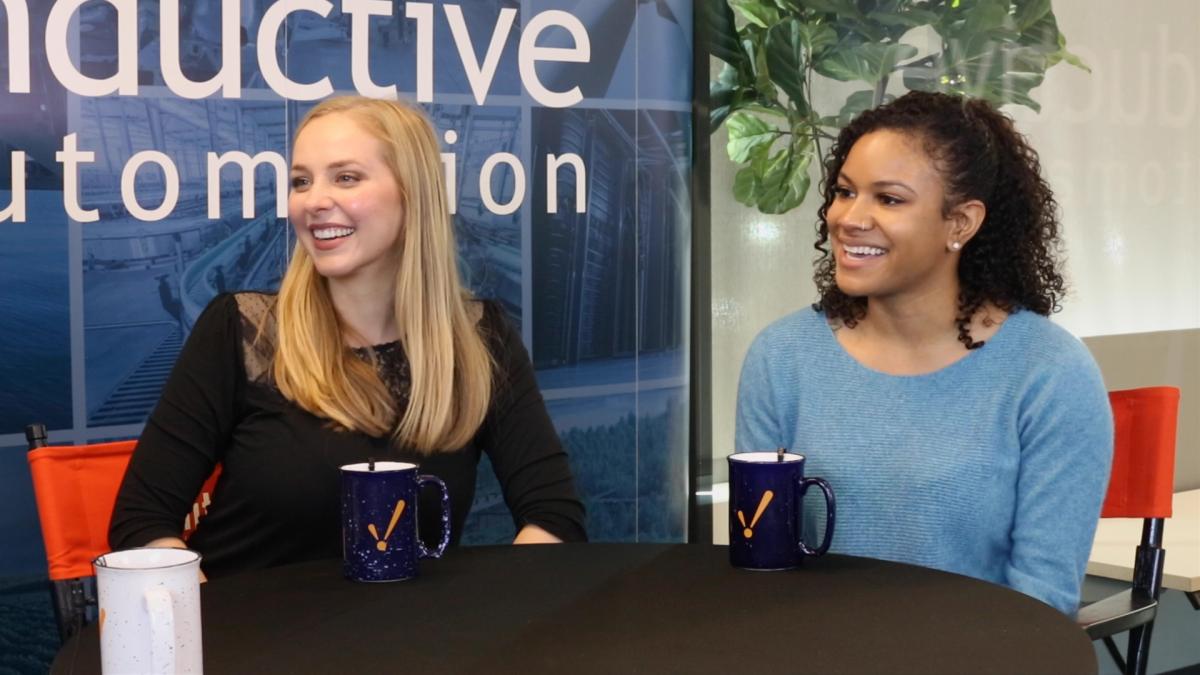
Lauren and Shay have invited Director of Sales Melanie Hottman to discuss handling objections from customers when selling Ignition. Melanie says to view objections as an opportunity to connect with the customer, understand their frustrations, and ultimately find a solution for them. Melanie covers the common concerns that come up during a sales call including budget issues and timelines. Melanie shares ways to resolve technical concerns, get the customer motivated, and build trust. Hear her recommendations for customers requesting a proof of concept or real-world validation. Learn to do your homework on a customer, use your best judgement, and make them remember you.
Hero
Integrator Program Level
Thumbnail
Wistia ID
946zf0q8sc
Learning Series
Transcription
00:08
Lauren: Welcome back to our sales and marketing series. I'm Lauren.
00:11
Shay: And I'm Shay. Today, we're excited to talk about a critical part of the sales process. Handling objections.
00:17
Lauren: Well, objections can seem like a huge obstacle. Our guest today says they are a big opportunity to connect with your customer and even make a sale. We're in conversation with Melanie Hottman, the director of our sales team. Mel, thanks for joining us today.
00:30
Melanie: Of course, thanks for having me.
00:31
Lauren: So can you tell us a little bit about how you got into sales? Was it a traditional road or how did you get there?
00:39
Melanie: No, actually I didn't have any sales background coming into Inductive Automation or coming to Inductive Automation, I had some management background, and I actually started here in 2011 and was doing business development, so cold calls and scheduling demos.
00:57
Lauren: Wow, that's a lot.
01:00
Melanie: Yeah, yeah. From there, I found that there were other needs by the sales team, and started helping with that, and then that kinda grew and grew and grew and yeah, became the director.
01:13
Lauren: Yeah.
01:14
Shay: So how does your previous management experience help you as the Director of Sales?
01:18
Melanie: Yeah, it helps me because I think with the goal in mind. So from that, we're looking at solutions and how to get there, and it isn't about necessarily selling a certain product but what is the solution that fits that customer's needs? I think having some management experience has helped a lot, trying to think outside of the box and help solve people's problems. I apply that to my team as well as to our customers, but that has really helped me to partner with whoever I'm working with, try to figure out how to solve their issues and go from there. And that's what I did when I started working here and being able to do that really helped the team and helped us grow. So then we were able to do more and I would help make adjustments or streamline processes, having that experience has helped me to help our customers and help our team and also really knowing what we're trying to do. We're not just trying to sell a product or sell our software. We want to bring a solution to our customer. And the same goes for my team, if we have issues, we want to solve those, it's not just about ramming something down someone's throat, right? You have to be able to understand what their needs are, understand what they need, different motivations, stuff like that.
02:47
Lauren: That kind of rolls right into what we're talking about today, which is handling objections. That can be a really challenging thing for a lot of people, and I think a lot of us anticipate objections maybe even before we think about how a sales process would go. How do you like to think about handling objections?
03:06
Melanie: Yeah, so again, you bring up objections as a challenge.
03:11
Lauren: Yes.
03:11
Melanie: And I actually see it a bit differently, I see it as an opportunity, I see it as the door to that customer's pain points, or to a problem they're trying to solve. And if you've done your homework and you understand what they're trying to accomplish and who you're talking to, then hopefully you have the foundation of what you wanna solve as a team, and I always would recommend to really understand your customer and if you have that care and that desire to help them, you'll find a solution that works. And that objection is gonna lead you down that path. I like to think of an objection as a gold nugget.
03:48
Shay: I like that.
03:49
Melanie: Because that's what's gonna help you down that journey with the customer. If they say for example, I don't have the time for this. Okay, great. So now you understand that they're either on a time crunch or they have a certain timeline to get something done and you need to be able to adapt to that.
04:09
Shay: Definitely. So you brought up one common concern which is time. Are you able to elaborate on maybe a few other common concerns that people will often hear during the sales process?
04:18
Melanie: Yeah, absolutely, I think there's the normal theme or the general common denominator objections, which is time. So that could be either they have a really tight timeline to do something, or maybe they have really long processes and approvals, so that could go both ways. There's money, sometimes they have a big budget, sometimes they have a small budget, sometimes they're trying to do the quickest thing and they don't have a problem with how much they're spending and sometimes they have all the time in the world but they have very limited resources. So the great thing about us, and I would like, I would recommend this to integrators as well, is we have options on both ends. If they have the time and not the money we can scale to that, if they have the money and not the time we can scale to that. We have resources that help them with the time, and we also have... We're lucky to have a very flexible platform that we can also adjust for them. So I would say for integrators when you're offering services, you should already know who you're talking to, but you should also have some options and be able to make adjustments if that might be their pain point or objections.
05:43
Melanie: Some others are the learning curve, there's the software itself or the service itself that you're offering, is it a fit, is it what they're looking for? Again, I would hope that by now you've done your homework and you've kind of done that discovery to figure out what they're looking for, and then you have your options prepared.
06:01
Lauren: What about situations where potential customers aren't sure about fit?
06:06
Melanie: So I would recommend showing them, because a lot of time they wanna see it and this comes up quite a bit where a customer might hear what you're saying and really like it but they're gonna say, "Show me or prove that” or they wanna see it in action. They want to have a proof of concept. Sometimes all it takes is someone building a screen and showing them how it works or taking them to a plant and showing it or we have case studies on our website, videos, written. You can give that to customers, they'll see it. For integrators, I would highly recommend having one of your customers agreeable to share their project. Because when you're ... We have one integrator here that's really successful and they show potential customers one of the projects they've done. And it sells itself 'cause they can see it in action. You've proven it, it's successful, and that really shows them the fit. And then, they might have some technical questions and you can always answer those. I do also recommend answering questions immediately if someone has a question you wanna answer them, so that they're not left hanging.
07:22
Shay: Totally.
07:23
Melanie: Yeah, and that keeps things moving smoothly.
07:26
Shay: I know that time and money are some of the biggest ones that we often think of, but learning curve and fit come into play as well. With those four common objections in mind, what are some other things to kind of keep in mind as you're going through and actually addressing these concerns?
07:42
Melanie: I think understanding that there could be things you don't know, there might be some issues behind the scenes, maybe some internal interest, different motivations, if you don't ... I would say don't go in there feeling like you know everything because you don't want to also upset the applecart and say something you shouldn't be saying or try to solve something on the spot in a group presentation that could actually backfire on you. There was a presentation being done for a customer, and there were a lot of people at the table and someone brought up a concern. Obviously, we would want to address concerns, right? But that happened to be the wrong time to do it. So when that person was corrected or given more information to address that person's concern, it actually backfired because that person felt like they were called out in front of their whole team and they actually decided not to go with the software because of that. So you've got to be attentive to what you know and what you don't know, and hopefully, if you know who you're talking to and you've done your homework, then you could realize that that person might be a decision maker and you might wanna have an offline meeting or give him more information later, but definitely not in front of everyone.
09:11
Melanie: So obviously, you have to be tactful, you have to use judgment but one thing I would say is while you're eager to handle objections or solve pain points or show how it's a fit or how to do it, or how you can use it, you also want to empower them. You don't wanna make them feel like their question isn't a good question or it's the wrong question. Addressing these concerns, it's very important that you're addressing the right thing at the right time and there might be things that they don't share.
09:45
Shay: So Mel, while you're here, I was hoping you could walk us through resolving some specific types of concerns.
09:50
Melanie: Sure.
09:50
Shay: So I think the first one would be technical. Let's start there.
09:51
Melanie: Okay, so I think if there are technical concerns, you wanna show them or answer the question if it's a simple one, can I connect to this device? You might know that off the top of your head. If it's a more technical concern, something they wanna see, we have a lot of resources available on our website. You could use the online Demo Project, you can walk them through whatever their question is around, it's on there. You could also go a bit further and you could install Ignition and show them right then and there. It's really easy and it won't take much time. So those are some really good options. If you feel like it's something you don't know or you want some more help with, you can always call in Inductive Automation and we're always happy to help.
10:36
Lauren: And we do have all of the online demo, videos available for viewing as well, so you can walk through those really easily and check them out.
10:41
Melanie: That's right.
10:44
Shay: Yeah, thank you, good point. So we've talked about technical, what about when a customer is looking for some real-world validation?
10:51
Melanie: Yeah, absolutely. Customers really wanna see that someone else is doing this and that it's working and they wanna see maybe a screen and what it looks like, or maybe how that works, and that is really important. We do have a lot of resources for that. So you can do a custom demo for that specific project or application. You can ... our website, we have a lot of case studies, we have video case studies, print case studies, we have ... you could also do a proof of concept, I would recommend that you develop relationships with your past customers and the rapport and the trust that they allow you to show the projects you've done for them that will really help with real world validation.
11:36
Lauren: What about problems with customers who maybe you're having a hard time getting them to make this a priority, getting them to really actually sit down and make the decision.
11:46
Melanie: Sure, I think if you're having trouble with someone where you don't feel like it's a priority you might wanna take a step back and go back to try to understand what their needs and goals are and how you can get there. Again, it comes down to respecting their time. You might need to prove some ROI, you might need to help address or dig deeper into some of their pain points and what you can help them solve.
12:14
Lauren: How do you address those points of motivation, whether it's personal, whether it's an internal thing that you don't even know is going on, how you get in there and really address that?
12:24
Melanie: Yeah, that's a really important piece because I think you want to understand their agenda. You want to understand what they're trying to do, how they're trying to get there and why. If they're trying to go down a certain path, and you are trying to go down a different path, for some unknown reason, you could blow the whole thing. So you do really need to build those relationships and that trust with the person you're working with and understand what they're trying to accomplish and how they're getting there and work with them to get there. I think again, you need to be a team, you need to work together to get to a certain end goal, right? Making sure you're talking to the right people, maybe knowing beforehand, who the decision makers are. A lot of times, we talk to the engineers and we find out what is the process for approval, who does this need to get signed off by and who are they, what do we need to know, how can we help you? Having that information, you know what obstacles might be coming your way, and if you have your homework done in advance, you could even start off with those things. Answering their questions before they have to ask for example. A lot of companies, they don't wanna make a big switch, and the higher-ups are pretty invested a lot of the time in their vendor selection and you might know some of that information in advance, and be able to speak to that right away.
13:51
Melanie: So those are ways that you can connect and you can gain trust and you can understand their pain points before they even have to talk about 'em. We wanna solve problems, we wanna help them. I think that goes a long way because we do always feel that we are part of the team. Like we are on the customer's team to solve their problems and their pain points.
14:13
Lauren: So you kind of mentioned people get really invested in maybe products or specific solutions that they already have in place. How can you understand that investment and use that to help understand your customer better?
14:28
Melanie: Yeah. In our experience, you wanna understand what the customer has been through, how they have gotten to where they are, and a lot of times they're happy to share that. Sometimes you might have to ask a lot of questions, but generally if you can understand the blood, sweat and tears that have gone into something, you're not gonna wanna trample on that, you're gonna wanna add on to that, you're gonna wanna help them or validate how far they've gotten, and they can do even more with Ignition. But I think that is a really important point because people do get invested and people are very passionate about their jobs, and what they've done and decisions they've made. And you don't wanna put that down, you wanna really bring it to the next level. And that's why I said it's important to handle the correct concern at the correct time because sometimes you might need to shoot down a question or some objection or idea or question, but you wanna make sure it's the right time.
15:24
Lauren: So it sounds like there's a real human element to this, you're not just taking an obstacle and blowing it out of the way by answering a question. There's a lot behind it, right?
15:36
Melanie: That's right, and that is really important. A big factor is that you build trust with your customer, you are on their team, right? And it isn't just about blowing something out of the water. There could be ... it could be a concern they have, it could be a past experience they've had, it could be a mandate for their company policy. You've got to really work with them and help them to understand it, to remove or overcome that obstacle. It's not just about answering a question. That might not be the end of it. You might need to show them, you might need to get some reports, you might need to get them some case studies, you might need to do different things, and that's where you have a lot of resources.
16:22
Lauren: And then when you get to the end of that, not only have you just answered their question, but you've made them feel good and secure.
16:28
Melanie: Yes.
16:29
Lauren: In the decision they're making.
16:29
Melanie: Exactly and I think that is what makes us so successful and what I think our integrators' success is going to be is you're working with that customer, and you're building that relationship and that trust and you guys are as a team getting a solution together and whatever those pain points are, whatever those challenges are, whatever initiatives there might be that you have to work with, if you understand that and you're working together, you'll always be able to overcome it.
17:00
Shay: So thank you so much for all of these tips. I think this is really helpful for being able to work with customers to overcome objections and really maintain that team mentality. At the end of the day, we're all working together to make sure that our customers are getting the solutions that they need to solve their real world problems. So with that, sometimes things just don't pan out the first time around. So, do we give up or do we follow-up?
17:22
Melanie: I would say, "don't ever give up," you always want to be in the back of their head because there's gonna be a year or two years, they're gonna run into issues.
17:32
Shay: So it sounds like what you're seeing is when we wrap up something that doesn't pan out, we shouldn't burn all of our bridges.
17:39
Melanie: Absolutely not, because if you leave them with that impression, and that solution, even if it didn't pan out right now, they'll remember you. Things change, political tides shift, people leave positions, new decision-makers come in. We have a saying here that they always come back, and we have found time after time that customers that went a different direction come back to us and they remember us. You should leave that impression with them, is that you're always there to help them even if they went a different route, you're there if they need anything again. People don't remember what you said or what you did but how you made them feel. And if you are working with them as a team and you've built that trust and that relationship, and you care about them and what they're trying to accomplish, they'll remember that and they will come back because that's in the end of the day, what they want.
18:32
Lauren: Yeah, well thank you so much, Melanie, that's a really great note to end on, we're so happy we got to sit down and talk to you about this.
18:37
Melanie: Thank you, thank you for having me.
18:38
Shay: Thank you.
Lauren: Welcome back to our sales and marketing series. I'm Lauren.
00:11
Shay: And I'm Shay. Today, we're excited to talk about a critical part of the sales process. Handling objections.
00:17
Lauren: Well, objections can seem like a huge obstacle. Our guest today says they are a big opportunity to connect with your customer and even make a sale. We're in conversation with Melanie Hottman, the director of our sales team. Mel, thanks for joining us today.
00:30
Melanie: Of course, thanks for having me.
00:31
Lauren: So can you tell us a little bit about how you got into sales? Was it a traditional road or how did you get there?
00:39
Melanie: No, actually I didn't have any sales background coming into Inductive Automation or coming to Inductive Automation, I had some management background, and I actually started here in 2011 and was doing business development, so cold calls and scheduling demos.
00:57
Lauren: Wow, that's a lot.
01:00
Melanie: Yeah, yeah. From there, I found that there were other needs by the sales team, and started helping with that, and then that kinda grew and grew and grew and yeah, became the director.
01:13
Lauren: Yeah.
01:14
Shay: So how does your previous management experience help you as the Director of Sales?
01:18
Melanie: Yeah, it helps me because I think with the goal in mind. So from that, we're looking at solutions and how to get there, and it isn't about necessarily selling a certain product but what is the solution that fits that customer's needs? I think having some management experience has helped a lot, trying to think outside of the box and help solve people's problems. I apply that to my team as well as to our customers, but that has really helped me to partner with whoever I'm working with, try to figure out how to solve their issues and go from there. And that's what I did when I started working here and being able to do that really helped the team and helped us grow. So then we were able to do more and I would help make adjustments or streamline processes, having that experience has helped me to help our customers and help our team and also really knowing what we're trying to do. We're not just trying to sell a product or sell our software. We want to bring a solution to our customer. And the same goes for my team, if we have issues, we want to solve those, it's not just about ramming something down someone's throat, right? You have to be able to understand what their needs are, understand what they need, different motivations, stuff like that.
02:47
Lauren: That kind of rolls right into what we're talking about today, which is handling objections. That can be a really challenging thing for a lot of people, and I think a lot of us anticipate objections maybe even before we think about how a sales process would go. How do you like to think about handling objections?
03:06
Melanie: Yeah, so again, you bring up objections as a challenge.
03:11
Lauren: Yes.
03:11
Melanie: And I actually see it a bit differently, I see it as an opportunity, I see it as the door to that customer's pain points, or to a problem they're trying to solve. And if you've done your homework and you understand what they're trying to accomplish and who you're talking to, then hopefully you have the foundation of what you wanna solve as a team, and I always would recommend to really understand your customer and if you have that care and that desire to help them, you'll find a solution that works. And that objection is gonna lead you down that path. I like to think of an objection as a gold nugget.
03:48
Shay: I like that.
03:49
Melanie: Because that's what's gonna help you down that journey with the customer. If they say for example, I don't have the time for this. Okay, great. So now you understand that they're either on a time crunch or they have a certain timeline to get something done and you need to be able to adapt to that.
04:09
Shay: Definitely. So you brought up one common concern which is time. Are you able to elaborate on maybe a few other common concerns that people will often hear during the sales process?
04:18
Melanie: Yeah, absolutely, I think there's the normal theme or the general common denominator objections, which is time. So that could be either they have a really tight timeline to do something, or maybe they have really long processes and approvals, so that could go both ways. There's money, sometimes they have a big budget, sometimes they have a small budget, sometimes they're trying to do the quickest thing and they don't have a problem with how much they're spending and sometimes they have all the time in the world but they have very limited resources. So the great thing about us, and I would like, I would recommend this to integrators as well, is we have options on both ends. If they have the time and not the money we can scale to that, if they have the money and not the time we can scale to that. We have resources that help them with the time, and we also have... We're lucky to have a very flexible platform that we can also adjust for them. So I would say for integrators when you're offering services, you should already know who you're talking to, but you should also have some options and be able to make adjustments if that might be their pain point or objections.
05:43
Melanie: Some others are the learning curve, there's the software itself or the service itself that you're offering, is it a fit, is it what they're looking for? Again, I would hope that by now you've done your homework and you've kind of done that discovery to figure out what they're looking for, and then you have your options prepared.
06:01
Lauren: What about situations where potential customers aren't sure about fit?
06:06
Melanie: So I would recommend showing them, because a lot of time they wanna see it and this comes up quite a bit where a customer might hear what you're saying and really like it but they're gonna say, "Show me or prove that” or they wanna see it in action. They want to have a proof of concept. Sometimes all it takes is someone building a screen and showing them how it works or taking them to a plant and showing it or we have case studies on our website, videos, written. You can give that to customers, they'll see it. For integrators, I would highly recommend having one of your customers agreeable to share their project. Because when you're ... We have one integrator here that's really successful and they show potential customers one of the projects they've done. And it sells itself 'cause they can see it in action. You've proven it, it's successful, and that really shows them the fit. And then, they might have some technical questions and you can always answer those. I do also recommend answering questions immediately if someone has a question you wanna answer them, so that they're not left hanging.
07:22
Shay: Totally.
07:23
Melanie: Yeah, and that keeps things moving smoothly.
07:26
Shay: I know that time and money are some of the biggest ones that we often think of, but learning curve and fit come into play as well. With those four common objections in mind, what are some other things to kind of keep in mind as you're going through and actually addressing these concerns?
07:42
Melanie: I think understanding that there could be things you don't know, there might be some issues behind the scenes, maybe some internal interest, different motivations, if you don't ... I would say don't go in there feeling like you know everything because you don't want to also upset the applecart and say something you shouldn't be saying or try to solve something on the spot in a group presentation that could actually backfire on you. There was a presentation being done for a customer, and there were a lot of people at the table and someone brought up a concern. Obviously, we would want to address concerns, right? But that happened to be the wrong time to do it. So when that person was corrected or given more information to address that person's concern, it actually backfired because that person felt like they were called out in front of their whole team and they actually decided not to go with the software because of that. So you've got to be attentive to what you know and what you don't know, and hopefully, if you know who you're talking to and you've done your homework, then you could realize that that person might be a decision maker and you might wanna have an offline meeting or give him more information later, but definitely not in front of everyone.
09:11
Melanie: So obviously, you have to be tactful, you have to use judgment but one thing I would say is while you're eager to handle objections or solve pain points or show how it's a fit or how to do it, or how you can use it, you also want to empower them. You don't wanna make them feel like their question isn't a good question or it's the wrong question. Addressing these concerns, it's very important that you're addressing the right thing at the right time and there might be things that they don't share.
09:45
Shay: So Mel, while you're here, I was hoping you could walk us through resolving some specific types of concerns.
09:50
Melanie: Sure.
09:50
Shay: So I think the first one would be technical. Let's start there.
09:51
Melanie: Okay, so I think if there are technical concerns, you wanna show them or answer the question if it's a simple one, can I connect to this device? You might know that off the top of your head. If it's a more technical concern, something they wanna see, we have a lot of resources available on our website. You could use the online Demo Project, you can walk them through whatever their question is around, it's on there. You could also go a bit further and you could install Ignition and show them right then and there. It's really easy and it won't take much time. So those are some really good options. If you feel like it's something you don't know or you want some more help with, you can always call in Inductive Automation and we're always happy to help.
10:36
Lauren: And we do have all of the online demo, videos available for viewing as well, so you can walk through those really easily and check them out.
10:41
Melanie: That's right.
10:44
Shay: Yeah, thank you, good point. So we've talked about technical, what about when a customer is looking for some real-world validation?
10:51
Melanie: Yeah, absolutely. Customers really wanna see that someone else is doing this and that it's working and they wanna see maybe a screen and what it looks like, or maybe how that works, and that is really important. We do have a lot of resources for that. So you can do a custom demo for that specific project or application. You can ... our website, we have a lot of case studies, we have video case studies, print case studies, we have ... you could also do a proof of concept, I would recommend that you develop relationships with your past customers and the rapport and the trust that they allow you to show the projects you've done for them that will really help with real world validation.
11:36
Lauren: What about problems with customers who maybe you're having a hard time getting them to make this a priority, getting them to really actually sit down and make the decision.
11:46
Melanie: Sure, I think if you're having trouble with someone where you don't feel like it's a priority you might wanna take a step back and go back to try to understand what their needs and goals are and how you can get there. Again, it comes down to respecting their time. You might need to prove some ROI, you might need to help address or dig deeper into some of their pain points and what you can help them solve.
12:14
Lauren: How do you address those points of motivation, whether it's personal, whether it's an internal thing that you don't even know is going on, how you get in there and really address that?
12:24
Melanie: Yeah, that's a really important piece because I think you want to understand their agenda. You want to understand what they're trying to do, how they're trying to get there and why. If they're trying to go down a certain path, and you are trying to go down a different path, for some unknown reason, you could blow the whole thing. So you do really need to build those relationships and that trust with the person you're working with and understand what they're trying to accomplish and how they're getting there and work with them to get there. I think again, you need to be a team, you need to work together to get to a certain end goal, right? Making sure you're talking to the right people, maybe knowing beforehand, who the decision makers are. A lot of times, we talk to the engineers and we find out what is the process for approval, who does this need to get signed off by and who are they, what do we need to know, how can we help you? Having that information, you know what obstacles might be coming your way, and if you have your homework done in advance, you could even start off with those things. Answering their questions before they have to ask for example. A lot of companies, they don't wanna make a big switch, and the higher-ups are pretty invested a lot of the time in their vendor selection and you might know some of that information in advance, and be able to speak to that right away.
13:51
Melanie: So those are ways that you can connect and you can gain trust and you can understand their pain points before they even have to talk about 'em. We wanna solve problems, we wanna help them. I think that goes a long way because we do always feel that we are part of the team. Like we are on the customer's team to solve their problems and their pain points.
14:13
Lauren: So you kind of mentioned people get really invested in maybe products or specific solutions that they already have in place. How can you understand that investment and use that to help understand your customer better?
14:28
Melanie: Yeah. In our experience, you wanna understand what the customer has been through, how they have gotten to where they are, and a lot of times they're happy to share that. Sometimes you might have to ask a lot of questions, but generally if you can understand the blood, sweat and tears that have gone into something, you're not gonna wanna trample on that, you're gonna wanna add on to that, you're gonna wanna help them or validate how far they've gotten, and they can do even more with Ignition. But I think that is a really important point because people do get invested and people are very passionate about their jobs, and what they've done and decisions they've made. And you don't wanna put that down, you wanna really bring it to the next level. And that's why I said it's important to handle the correct concern at the correct time because sometimes you might need to shoot down a question or some objection or idea or question, but you wanna make sure it's the right time.
15:24
Lauren: So it sounds like there's a real human element to this, you're not just taking an obstacle and blowing it out of the way by answering a question. There's a lot behind it, right?
15:36
Melanie: That's right, and that is really important. A big factor is that you build trust with your customer, you are on their team, right? And it isn't just about blowing something out of the water. There could be ... it could be a concern they have, it could be a past experience they've had, it could be a mandate for their company policy. You've got to really work with them and help them to understand it, to remove or overcome that obstacle. It's not just about answering a question. That might not be the end of it. You might need to show them, you might need to get some reports, you might need to get them some case studies, you might need to do different things, and that's where you have a lot of resources.
16:22
Lauren: And then when you get to the end of that, not only have you just answered their question, but you've made them feel good and secure.
16:28
Melanie: Yes.
16:29
Lauren: In the decision they're making.
16:29
Melanie: Exactly and I think that is what makes us so successful and what I think our integrators' success is going to be is you're working with that customer, and you're building that relationship and that trust and you guys are as a team getting a solution together and whatever those pain points are, whatever those challenges are, whatever initiatives there might be that you have to work with, if you understand that and you're working together, you'll always be able to overcome it.
17:00
Shay: So thank you so much for all of these tips. I think this is really helpful for being able to work with customers to overcome objections and really maintain that team mentality. At the end of the day, we're all working together to make sure that our customers are getting the solutions that they need to solve their real world problems. So with that, sometimes things just don't pan out the first time around. So, do we give up or do we follow-up?
17:22
Melanie: I would say, "don't ever give up," you always want to be in the back of their head because there's gonna be a year or two years, they're gonna run into issues.
17:32
Shay: So it sounds like what you're seeing is when we wrap up something that doesn't pan out, we shouldn't burn all of our bridges.
17:39
Melanie: Absolutely not, because if you leave them with that impression, and that solution, even if it didn't pan out right now, they'll remember you. Things change, political tides shift, people leave positions, new decision-makers come in. We have a saying here that they always come back, and we have found time after time that customers that went a different direction come back to us and they remember us. You should leave that impression with them, is that you're always there to help them even if they went a different route, you're there if they need anything again. People don't remember what you said or what you did but how you made them feel. And if you are working with them as a team and you've built that trust and that relationship, and you care about them and what they're trying to accomplish, they'll remember that and they will come back because that's in the end of the day, what they want.
18:32
Lauren: Yeah, well thank you so much, Melanie, that's a really great note to end on, we're so happy we got to sit down and talk to you about this.
18:37
Melanie: Thank you, thank you for having me.
18:38
Shay: Thank you.
Series Order
10
Sales Training
5. The Discovery Call
Lauren and Shay have invited Senior Account Executive Myron Hoertling to cover that first sales interaction when you are introducing Ignition to a new customer. Myron shares why you should never stick to a sales script, what you need to learn from potential customers initially, effective engagement methods, and strategies to discover their needs. Myron provides many tips he’s learned over the years including how to answer questions effectively, educating people on the software, catering to a wide variety of client personalities, not having preconceived notions about who you’re talking to, and turning conversations into valuable relationships over time.
Locked
You must be Registered to access this content.
See how to become Registered
Sales Training
2. Our History and Our Future
Lauren and Shay are sitting down with the founder and CEO of Inductive Automation, Steve Hechtman. Steve is here to discuss Inductive’s foundational values and how the company has been shaped by solving pain points. Steve shares how his experience as an integrator informed his decisions about what the market needed, how integrators should be treated, what Ignition should be, and why we need to stick to our roots. We get a deeper dive into our company’s unique licensing, ethical, technology, and business models. Steve also shares his favorite module and tells us if Inductive Automation turned out to be everything he wanted it to be.
Locked